Connect with us

Knicks News

“They’ll Never Win Again?” Paul Pierce Sparks Firestorm With Brutal Knicks Take

Published

on

Paul Pierce ignites controversy by claiming the New York Knicks won’t win a championship in his lifetime. Is this finally the year they prove him wrong?

Few things stir the NBA conversation quite like a bold, unapologetic statement from a former superstar—and this time, Paul Pierce did not hold back. Speaking on the No Fouls Given podcast, the Boston Celtics legend took aim at several franchises he believes are trapped in an endless cycle of disappointment. Among them: the New York Knicks.

Pierce’s message was blunt and impossible to ignore. He grouped the Knicks alongside the Portland Trail Blazers, the Atlanta Hawks, and the Sacramento Kings—four organizations he claims won’t win an NBA title again in his lifetime. It’s the kind of statement designed to provoke, but also one rooted in decades of frustration tied to these franchises.

For Knicks fans, the remark lands especially hard. This is a team that hasn’t lifted a championship trophy since 1973, with its last appearance in the NBA Finals dating back to 1999. More than two decades have passed since New York last stood on the league’s biggest stage, and that absence has shaped the narrative surrounding the franchise ever since.

Pierce’s Harsh Words Reignite Debate Around Historic Franchises

Pierce’s comments tap into a long-standing perception about certain NBA teams: that history, market pressure, and organizational inconsistency can create a cycle that is difficult to escape. The Knicks, despite being one of the league’s most iconic franchises, have often been at the center of that discussion.

Over the years, New York has experienced flashes of promise, but sustained success has remained elusive. Coaching changes, roster reshuffles, and front-office resets have repeatedly interrupted momentum. That inconsistency is exactly what fuels skepticism from figures like Pierce, who view championships as the ultimate measure of stability and vision.

At the same time, his criticism reflects a broader truth about the NBA landscape. Winning a title is extraordinarily difficult, even for well-run teams. The league’s balance of power shifts constantly, and only a handful of organizations manage to build the right combination of talent, chemistry, and timing needed to go all the way.

Still, declaring that a franchise like the Knicks has no realistic path to a championship is a dramatic stance—even by NBA debate standards. And that is precisely why the reaction has been so strong.

Why This Knicks Team Might Finally Break the Narrative

What makes Pierce’s statement particularly intriguing is its timing. The current Knicks squad is not a rebuilding project or a fringe playoff team. It is a legitimate contender in the Eastern Conference, coming off a strong regular season that saw them finish with a 53-29 record and secure a top-three seed.

Their first-round series against the Hawks is currently tied 1-1, a reminder that the postseason rarely unfolds in a straight line. But even with that setback, New York has shown enough throughout the season to be considered a serious threat.

This version of the Knicks looks different from many of its predecessors. There is a clearer identity, stronger defensive structure, and a roster capable of competing with the conference’s elite. More importantly, there is a growing sense that the team is no longer defined by past failures but is instead building its own trajectory.

Of course, belief alone does not erase history. The burden of decades without a title still lingers, and every playoff game carries that weight. Yet, narratives in sports are fragile. They can collapse quickly when a team finally aligns talent, health, and momentum at the right moment.

That is why Pierce’s words, while harsh, may ultimately serve as fuel rather than discouragement. Teams often rally around external doubt, using it as motivation to prove critics wrong. If the Knicks are truly ready to take the next step, this postseason offers the perfect stage to rewrite the story that has followed them for so long.

For now, the debate continues. Pierce sees a future where the Knicks remain stuck in their championship drought. New York, on the other hand, has an opportunity to challenge that belief in real time.

And if this team delivers, his prediction could age very quickly.

AdvertisementAdvertisement

Knicks News

Knicks Get an Unexpected Boost After Painful Collapse as Celtics Suddenly Open the Door

Published

on

The New York Knicks’ Game 2 collapse looked disastrous, but the Celtics’ surprise stumble against Philadelphia may have changed the bigger playoff picture for New York.

Monday night felt like a turning point in the worst possible way for the New York Knicks. A team that seemed to have complete control of its first-round series suddenly let a major opportunity slip away, and the fallout was immediate. Losing Game 2 did more than erase the chance to build a 2-0 cushion. It reopened every concern that tends to follow a contender when expectations are high and execution falls short.

For a team widely viewed as more talented than Atlanta, the defeat naturally triggered fresh questions about focus, late-game poise, rotation management, and whether New York is truly built for a deep postseason run. A missed chance to take full command of the series can linger, especially when it comes largely from mistakes that feel avoidable.

And yet, less than a day later, the Knicks found themselves looking at the Eastern Conference bracket through a slightly different lens.

Boston’s unexpected stumble against Philadelphia changed the emotional temperature around New York’s own loss. After a dominant opening performance in its series, the Celtics were expected to keep rolling. Instead, they dropped Game 2 and now head to Philadelphia with the matchup tied 1-1. That development does not erase what happened to the Knicks, nor does it solve any of their own issues. What it does do is soften one of the biggest strategic consequences of their collapse.

Why Boston’s Slip Changes the Mood Around New York

One of the harshest realities of the Knicks’ Game 2 defeat was that it likely took a sweep off the table. In the postseason, finishing a series quickly is about much more than appearances. It is about recovery, preparation, and preserving energy for the next challenge. Had New York gone up 2-0 and continued to dictate the series, the possibility of ending the matchup in four games would have become very real.

That scenario would have been especially valuable considering the physical condition of the roster. Miles McBride is still trying to regain full rhythm after injury concerns, while OG Anunoby’s ankle remains something worth monitoring closely. In that kind of context, every extra day of rest matters. Every game avoided matters even more.

By dropping Game 2, the Knicks guaranteed themselves a longer road. Instead of possibly wrapping things up early and turning their attention toward the second round, they now face a first-round series that will extend deeper into the calendar and demand more from their core rotation. That is not an ideal outcome for a team that may need every ounce of freshness if it advances.

But Boston’s defeat changes the comparison.

The Celtics were in position to gain a meaningful rest advantage if they cruised through Philadelphia while New York was forced into a longer series. That could have created a major imbalance in a potential second-round meeting, particularly against a deep and experienced Boston lineup capable of punishing any team that arrives physically worn down. With the Celtics now tied 1-1, that gap becomes far less certain. Boston, too, must spend more energy, absorb more pressure, and stay focused on surviving its current opponent instead of preparing early for what may come next.

For the Knicks, that is a significant silver lining. They are no longer the only Eastern contender facing the cost of an extended opening round.

How the Knicks’ First-Round Battle Could Still Help Them Later

There is, of course, a danger in looking too far ahead. The Hawks have already reminded New York that this series is not a formality, and a team coached by Quin Snyder is unlikely to fade quietly. The Knicks still need to handle their own business before any discussion about Boston becomes meaningful. But playoff basketball is always played on two levels at once: the urgency of the moment and the larger bracket implications developing around it.

From that broader perspective, Philadelphia may have done New York a favor.

If both the Knicks and Celtics are forced to work harder than expected in the first round, the second round becomes a more balanced physical and tactical contest. Boston will not have the luxury of relaxing through a quick series win. Its starters will have to log serious minutes, its focus must remain sharp, and its staff cannot fully shift toward long-range scouting quite as early as anticipated. That matters when the margins between elite playoff teams are often defined by freshness, adaptability, and timing.

New York could benefit from that reality in several ways. It gives the Knicks more freedom to lean heavily on their starters without fearing that they are alone in paying the price. It also reduces the threat of entering a semifinal matchup against a fully rested opponent that has had extra time to recover, regroup, and game-plan. For a Knicks team that has already seen uneven bench production in this series, that psychological and strategic shift matters.

In some ways, a tougher first-round path may even sharpen New York. A drawn-out series forces a team to solve problems under pressure, test its consistency, and learn quickly what lineups and habits can be trusted when the stakes rise. If the Knicks come through that process successfully, they may emerge better prepared for the intensity of a clash with Boston than they would have been after an easy sweep.

That does not mean Monday’s loss should be dismissed. It was still a blown opportunity, and those moments can come back to haunt teams later in the postseason. But the bigger picture now looks less damaging than it did immediately after the final buzzer. The Celtics’ failure to take control of their own series has helped ensure that New York is not alone in navigating a longer, more draining first round.

For now, the Knicks must keep their attention on Atlanta. That remains the priority, and anything beyond it is premature. Still, in a playoff field where every detail matters, Boston’s setback may end up being one of the best things that could have happened for New York after such a disappointing night.

What initially looked like a major blow to the Knicks’ postseason trajectory now feels more manageable. And if the bracket continues to tighten for everyone at the top of the East, New York may eventually look back at this moment not just as a missed opportunity, but as the point when the road ahead became a little more even.

Continue Reading

Knicks News

Stephen A. Smith Blasts Karl-Anthony Towns as Knicks Collapse Sparks Fresh Controversy

Published

on

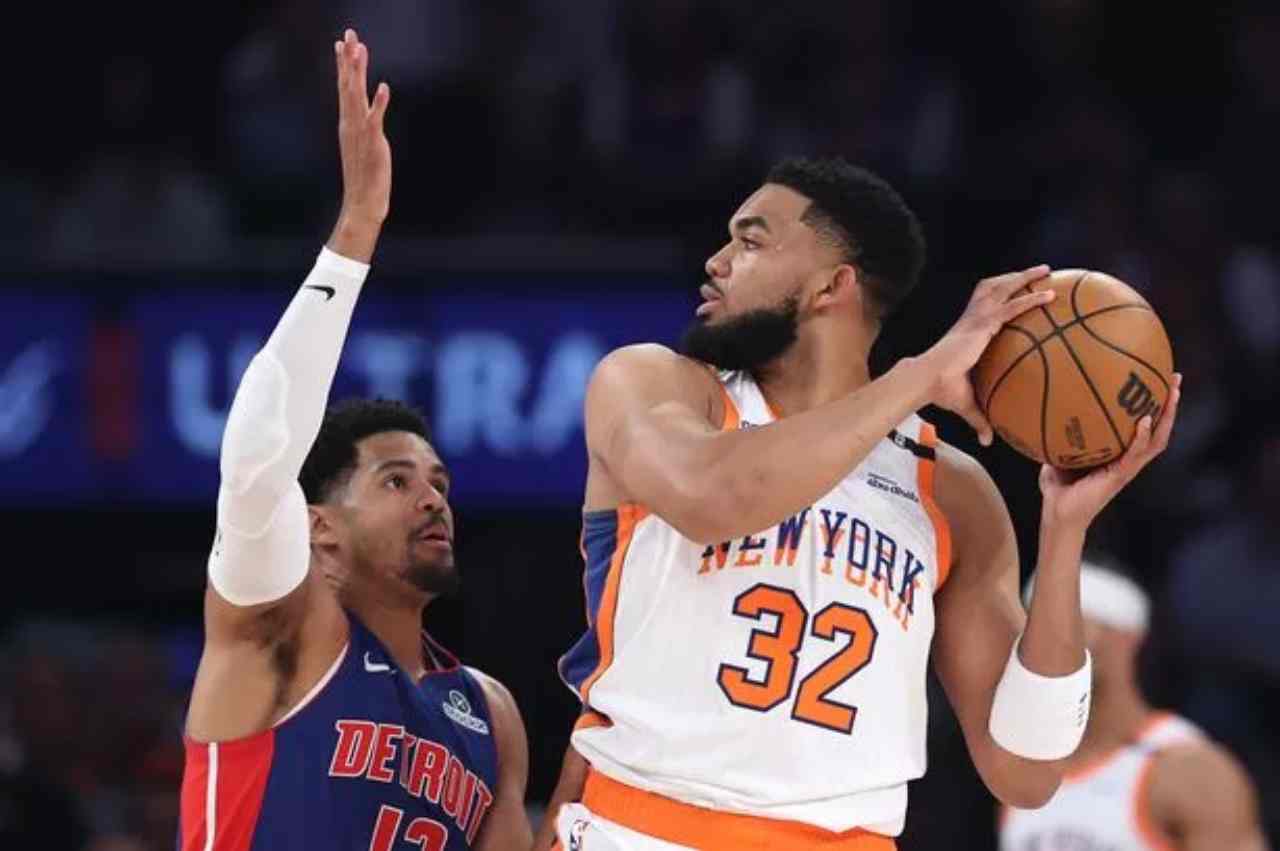
Stephen A. Smith ripped Karl-Anthony Towns after the Knicks squandered a double-digit lead against the Hawks. Here is why Towns’ celebration has become a major talking point.

The New York Knicks looked firmly in control, just 12 minutes away from taking a commanding 2-0 lead over the Atlanta Hawks. Instead, what should have been a statement win turned into a frustrating collapse, and now the conversation around the series has shifted from basketball execution to body language, leadership, and timing.

Much of that debate intensified after Stephen A. Smith publicly criticized Karl-Anthony Towns for celebrating a made three-pointer by blowing kisses to the crowd during a game that was clearly beginning to swing in the wrong direction. The ESPN personality, speaking on First Take and in clips circulated on X, questioned whether Towns’ gesture reflected the urgency the Knicks should have been showing as Atlanta mounted its comeback. Reports of the game noted that New York entered the fourth quarter with a 12-point lead before losing control, while Smith’s reaction quickly became one of the dominant postgame storylines. 

Why Karl-Anthony Towns’ Celebration Became a Lightning Rod

In isolation, a celebration after a big shot is hardly unusual in today’s NBA. Emotion, swagger, and personality are all part of the modern game, especially in the postseason, where every basket feels amplified. The issue, however, is not simply that Towns celebrated. It is that the celebration happened in the middle of a game the Knicks were failing to close out.

That distinction matters.

When a team is winning comfortably and dictating the tempo, expressive moments can be seen as confidence. But when the opponent is gaining momentum and the pressure is rising, those same gestures can be framed as distraction, complacency, or poor awareness. That is exactly why Smith’s comments struck such a chord. His criticism was less about theatrics and more about context. In his view, the Knicks were in no position to enjoy the moment when the game still demanded discipline and control. 

Towns is one of the most talented players on the Knicks roster, and with that status comes a different standard. Fair or not, star players are judged not only by points and rebounds, but also by how they carry themselves when games begin to turn. Every expression, celebration, and visible reaction becomes part of the larger narrative. In high-pressure playoff basketball, perception matters almost as much as production.

This is why the backlash has grown so quickly. Critics are not arguing that Towns should not show emotion. They are arguing that the timing of that emotion sent the wrong message in a moment that required composure above all else.

What the Knicks Must Fix After Their Costly Collapse

The more pressing concern for New York is that the controversy surrounding Towns’ celebration risks overshadowing a much bigger problem: the Knicks let a winnable game slip away. A team with championship aspirations cannot afford to lose focus with a double-digit lead entering the final quarter, especially in a playoff series where momentum can shift dramatically from one game to the next.

The collapse exposed familiar concerns. Defensive intensity dropped, offensive rhythm disappeared, and the Knicks failed to respond once Atlanta sensed vulnerability. According to reported game details, the Hawks dominated the fourth quarter and turned the contest around late, a sequence that made every questionable moment from New York appear even worse in hindsight. 

That is why this story has gained traction beyond a simple postgame argument. It touches on a larger question about the Knicks’ identity. Are they mentally sharp enough to handle playoff pressure when a game stops going according to plan? Can they stay locked in when the opponent makes a serious push? And can their top players match confidence with control?

For Towns, the answer will not come through words. It will come in the next game. The best response to criticism of this kind is not defensiveness, but dominance. If he delivers a focused, efficient, and disciplined performance, the conversation will change quickly. If the Knicks struggle again, however, this moment will continue to be used as a symbol of a team that lost sight of what mattered most.

In the end, Stephen A. Smith’s remarks were harsh, but they resonated because they landed at the intersection of optics and outcome. Had the Knicks held on, Towns’ gesture might have been forgotten by the next morning. Because they collapsed, it became a defining image of the night.

That is the reality of playoff basketball. Every celebration is magnified. Every mistake is dissected. And when a team lets a 12-point fourth-quarter lead disappear, everything — including one brief gesture — becomes part of the blame game. 

Continue Reading

Knicks News

Warriors Lifeline for Knicks? Mike Brown Rumor Could Reshape Two Franchises at Once

Published

on

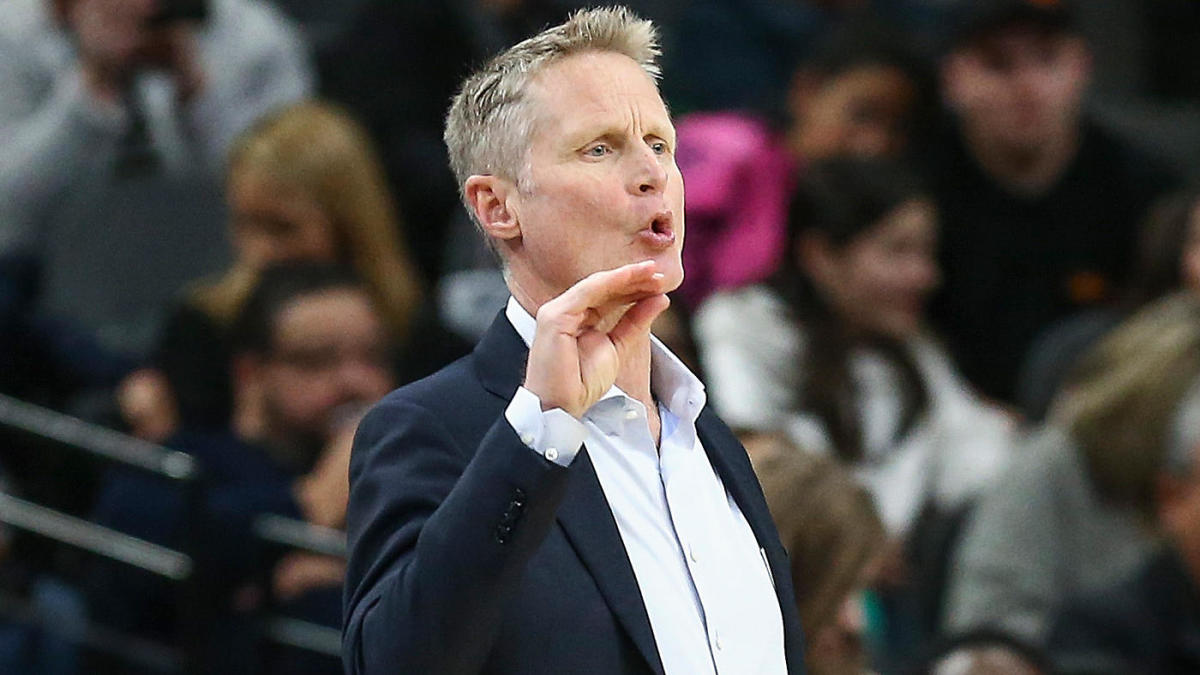
Mike Brown has emerged as a possible Warriors candidate if Steve Kerr leaves, a scenario that could dramatically alter the Knicks’ coaching future.

The pressure around Mike Brown in New York has created a strange but increasingly interesting possibility: the coach could become part of a solution for the Knicks, not just a problem. If the postseason ends in disappointment, the question will not only be whether New York wants to move on, but whether another franchise could make that decision easier. And right now, the team most closely linked to that scenario is Golden State. Recent reporting has framed Brown as a serious possibility for the Warriors if Steve Kerr decides not to return, with Tim Kawakami’s coverage of Golden State’s uncertain coaching future helping fuel that conversation. Kerr himself has reportedly described his chances of coming back as roughly “50-50,” which keeps the door open to a major shift this offseason. 

At first glance, the idea may seem odd. Brown has already coached multiple franchises, and Knicks fans are openly questioning his decisions after an uneven start to the playoffs. But Golden State is not looking at him through the same lens as New York. Within the Warriors organization, Brown is not a stranger or a fallback. He spent six seasons as Steve Kerr’s top assistant, worked closely with the franchise during its championship years, and earned internal trust while serving as interim coach on multiple occasions. That familiarity matters, especially for a team potentially facing the end of an era and looking for continuity rather than chaos. Reports circulating this week have specifically named Brown among Golden State’s prominent options if Kerr walks away. 

Why Golden State could actually want Brown back

This is the key point that makes the rumor more than empty speculation. Golden State would not be evaluating Brown simply as a coach who has been criticized in New York. They would be looking at someone who already understands the organization’s culture, stars, and expectations. For a franchise trying to navigate a delicate transition, that kind of institutional knowledge can be highly valuable. Even outside Kawakami’s reporting, coverage around the Warriors’ future has mentioned experienced names as possible replacements while emphasizing the uncertainty surrounding Kerr’s next move. Brown fits the profile of a coach who could step in without requiring a complete reset. 

There is also a practical element. If the Warriors do need a new coach, pursuing someone they already know may be far simpler than starting from scratch. That matters because coaching changes are often messier than they look from the outside. The Knicks learned last offseason how difficult it can be to identify, interview, and pry away the candidate they really want. A Brown-to-Golden State scenario would offer the Warriors an experienced option with deep internal credibility, and it would spare them from taking a complete gamble on an untested outsider. 

What the Warriors angle means for the Knicks

For New York, this rumor changes the conversation because it introduces leverage and flexibility. Brown reportedly signed a four-year, $40 million contract with the Knicks last summer, and moving on from him after one season would normally be an expensive and awkward decision. But if another team genuinely values him, the financial and logistical pain of a split becomes far easier to manage. That is why the Warriors angle matters so much more than ordinary speculation. It creates a plausible off-ramp at a time when Brown’s postseason performance is already under heavy scrutiny. 

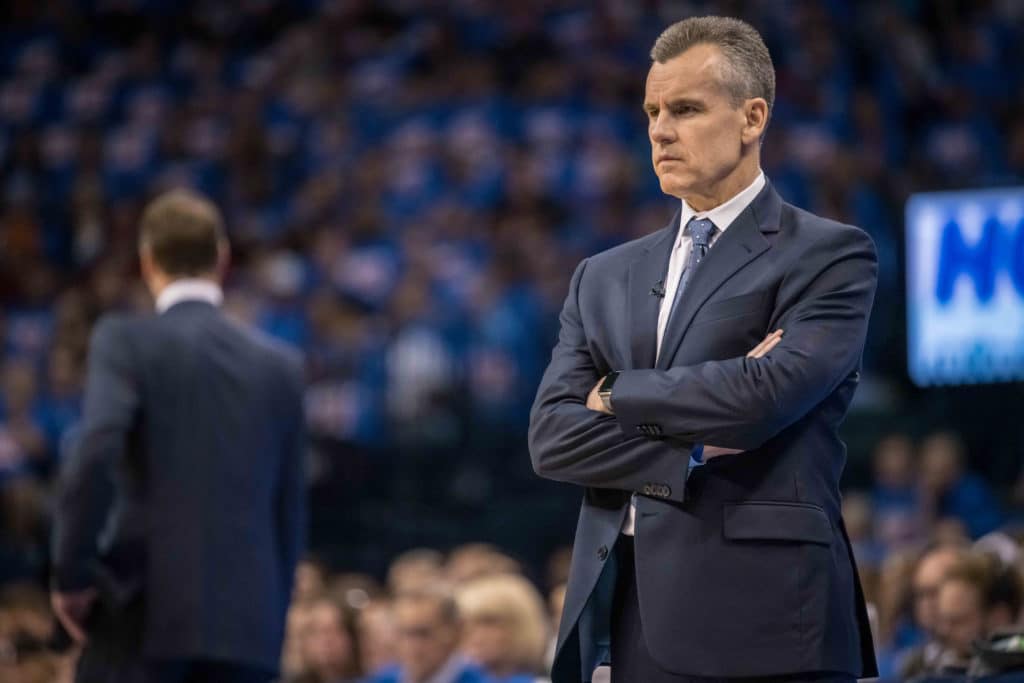
It also intersects with another developing storyline: Billy Donovan is now available after stepping down as Bulls head coach, according to reports published Tuesday. That does not mean Donovan is automatically New York’s next coach, but it does mean there is suddenly a credible alternative on the market if the Knicks decide they need a change. In that context, a potential Warriors interest in Brown becomes even more relevant. It would not just help New York escape an uncomfortable contract situation; it could give the franchise a cleaner path toward its next move. 

For now, this remains a rumor built on two unresolved questions: whether Kerr leaves, and whether the Knicks flame out badly enough to reconsider Brown after one year. But it is no longer a far-fetched scenario. If the postseason goes sideways for New York and Golden State truly opens its search, Brown could end up at the center of one of the most intriguing coaching chains of the offseason.

Continue Reading

Trending

Copyright © 2017 Zox News Theme. Theme by MVP Themes, powered by WordPress.