Jalen Brunson’s critics question his championship ceiling, but his NBA Cup MVP, Clutch Player of the Year award, and elite production tell a different story.
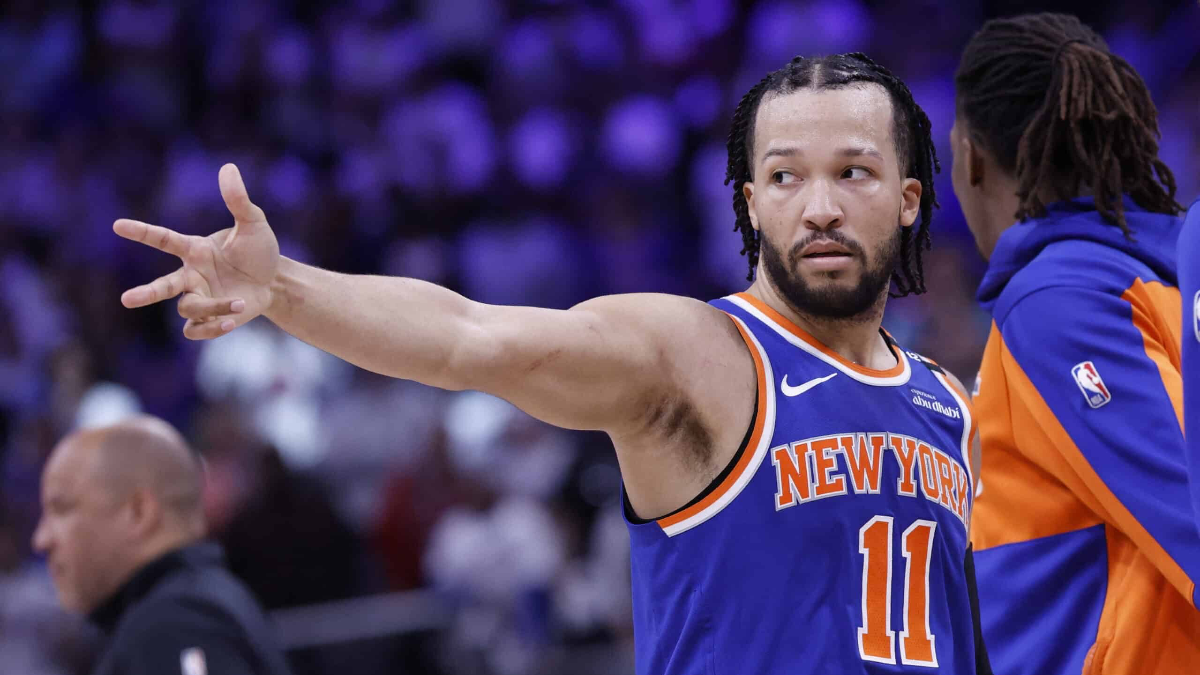
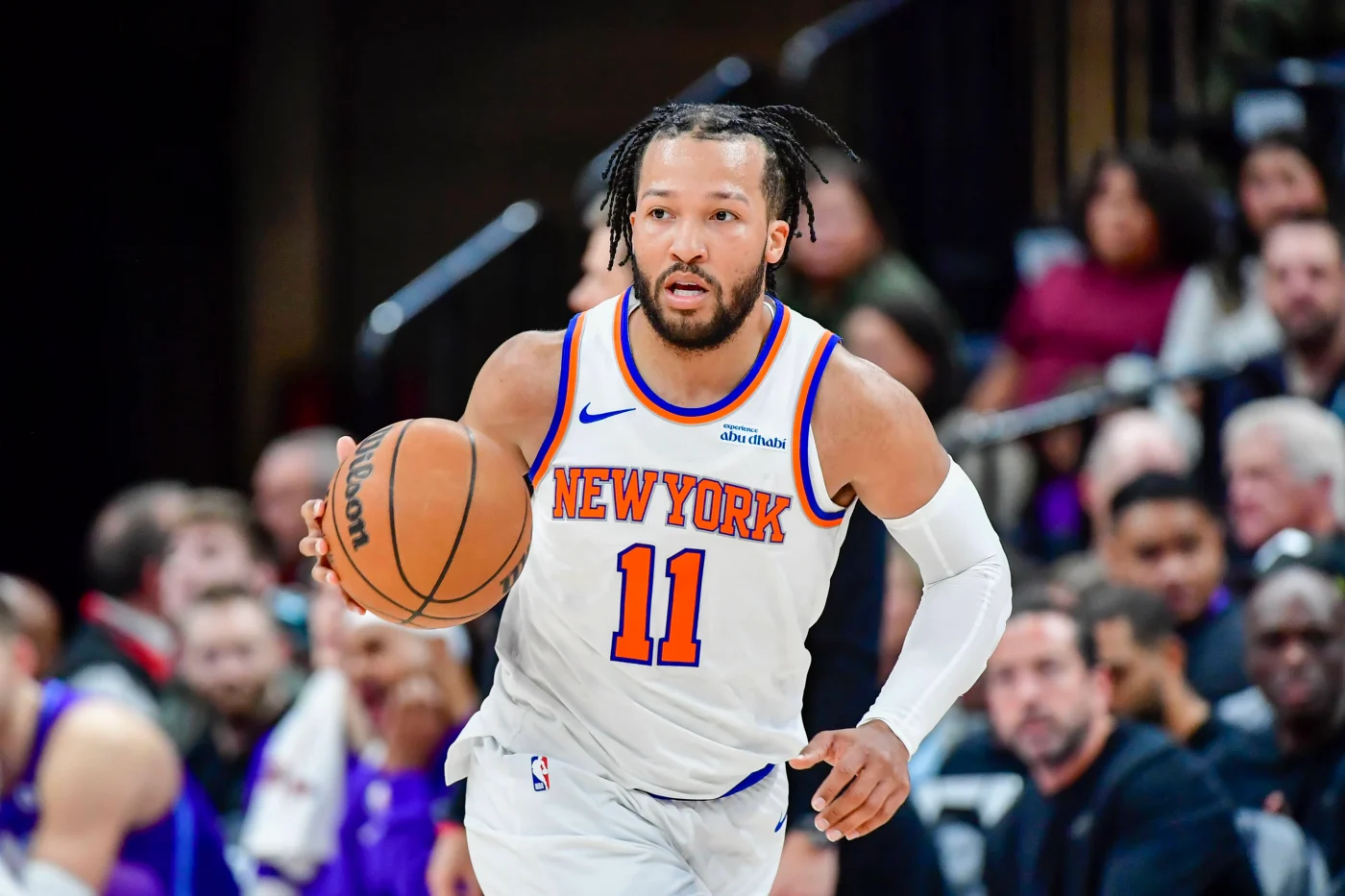
The debate around Jalen Brunson has become louder as the playoffs approach, but the pushback against his status often ignores what he has already accomplished. It is fair to say he does not belong in the Nikola Jokić or Victor Wembanyama tier as an all-encompassing force, yet that is not the same as saying he is not a true franchise player. That distinction matters, especially when discussing the New York Knicks and the role he has carved out as their offensive engine.
In December, Brunson did not simply help the Knicks win the 2025 Emirates NBA Cup. He drove them there, then capped the run by earning tournament MVP honors after New York rallied past San Antonio in Las Vegas for the franchise’s first trophy since 1973. NBA.com’s live championship coverage noted that Brunson averaged 33.2 points per game in NBA Cup play and was named MVP of the tournament, while the Knicks beat the Spurs 124-113 in the final.
That matters because it directly challenges the idea that Brunson shrinks on the big stage. He has already shown that when the lights are brightest, he can command a game, dictate tempo, and deliver a winning performance for a team with enormous pressure attached to it. That is not the profile of a supporting piece pretending to be a star. That is the profile of a lead guard who has already proven he can handle a spotlight that many players never truly master.
The regular-season résumé only strengthens that case. Brunson finished the 2025-26 season averaging 26.0 points, 6.7 assists, and 3.4 rebounds per game, according to ESPN. Those are not empty numbers either. They sit alongside one of the strongest clutch reputations in the league, which was already validated when he won the 2024-25 Kia NBA Clutch Player of the Year award after leading the NBA in clutch scoring average and field goals made in those situations.
The real test is not whether Brunson is elite, but whether the Knicks can maximize him
What critics like Colin Cowherd get right is that there are historical questions about building a title team around a smaller lead guard. That concern is real. But where the argument becomes too shallow is in pretending Brunson has not already supplied enough evidence that he can be the emotional and competitive center of a contender. The more relevant question is whether the Knicks have built a roster good enough around him to let that version of Brunson carry all the way through four playoff rounds.
There have already been flashes of what that looks like. On February 4, Brunson produced one of the season’s signature performances, finishing with 42 points, nine assists, and eight rebounds in a double-overtime win over Denver, including 10 points in the second overtime alone. That game was a reminder that his postseason case is not built on narrative alone. He can bend elite opponents with shot-making, control, and late-game nerve.
So yes, Cowherd is right that Brunson is not Jokic. He is right that Brunson is not the biggest or most physically overwhelming star in the sport. But dismissing him as “not that guy” stretches the argument too far when the same player owns an NBA Cup MVP, a Clutch Player of the Year trophy, and another season at 26 points per game for a top playoff seed.
Brunson may not fit the classic template. He may never win every national-media argument. But the idea that New York is blindly overrating him no longer holds up. The résumé is already too strong for that. What comes next in the playoffs will not determine whether he belongs in the conversation. It will determine how much higher he can force it to go.














 Knicks News9 months ago
 Knicks News9 months ago