Knicks Could Be Forced to Break Up Their Starting Five — Two Young Wings May Decide Who Stays
The Knicks may eventually have to trade an expensive starter to avoid the second apron, making Diawara and Dadiet essential to their future plans.
The New York Knicks have no intention of entering the NBA’s second tax apron, a position owner James Dolan made clear shortly after the franchise won its first championship in 53 years. Maintaining that financial boundary, however, could eventually require changes to the starting lineup that delivered the title.
The second apron creates more than an expensive luxury-tax bill. Teams above the threshold face significant roster-building restrictions, including limits on aggregating salaries in trades and the potential freezing of future first-round picks.
New York is especially vulnerable because its five starters are scheduled to earn a combined $191.7 million during the 2026-27 season. The payroll is so concentrated at the top that no reserve player is set to make more than approximately $5.5 million.
This structure can work while the Knicks receive championship-level production from their starting unit. It becomes harder to sustain once extensions, age and future roster needs enter the equation. That is why the development of Mohamed Diawara and Pacome Dadiet could influence more than the quality of next season’s bench.
Brunson’s Next Contract Could Force a Major Knicks Decision
Jalen Brunson and OG Anunoby will both become eligible for extensions in 2027, creating another financial challenge for the front office. Brunson’s situation will be particularly important because his current salary does not fully reflect his status as a Finals MVP and franchise cornerstone.
The Knicks captain is scheduled to earn $37.7 million in 2026-27 after previously signing an extension that provided New York with considerable financial flexibility. His next agreement is expected to be substantially larger, potentially exceeding $60 million annually depending on its timing and the continued growth of the salary cap.
No reasonable roster plan involves allowing Brunson to leave. New York will instead have to find savings elsewhere, especially if it also intends to retain Anunoby and manage Karl-Anthony Towns’ next contract.
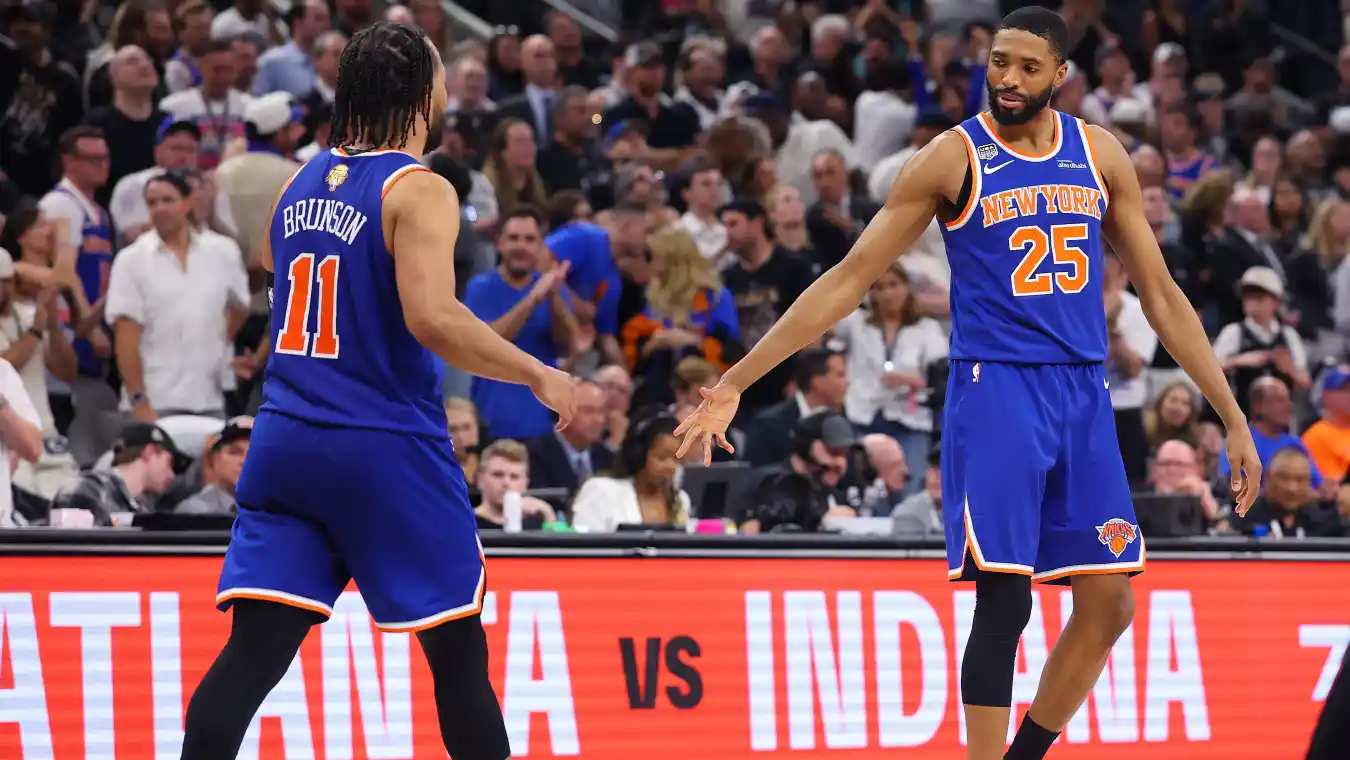
That could eventually place Josh Hart or Mikal Bridges in a vulnerable position. Both are essential members of the championship group, but the Knicks may be unable to carry five expensive starters indefinitely while remaining beneath the second apron.
Trading a starter would be a painful decision, especially when continuity is one of New York’s greatest advantages. It could nevertheless become necessary if the organization wants to preserve flexibility and avoid filling the entire bench with minimum-salary veterans.
The Knicks can reduce that risk by developing affordable replacements before the financial pressure becomes unavoidable. If Diawara or Dadiet proves capable of handling meaningful wing minutes, the front office would have more options when deciding how to restructure the roster.
Diawara and Dadiet Will Have Their Opportunity This Season
Both young forwards offer something currently missing from New York’s reserve backcourt: perimeter size. José Alvarado is listed at six feet, Miles McBride at 6-foot-2 and Landry Shamet at 6-foot-5. While each guard provides useful skills, that group could struggle against larger opposing wings.
Diawara and Dadiet give Mike Brown the option of constructing bigger lineups without relying heavily on the starters. Their ability to defend multiple positions would also help the Knicks manage the workloads of Anunoby, Bridges and Hart.
Load management could create genuine opportunities during the regular season. After another shortened offseason, Brown may reduce the minutes of his leading players and occasionally rest Brunson, Towns or Anunoby. Those absences would allow the coaching staff to evaluate whether the young wings can contribute under competitive conditions.
Diawara currently appears closer to earning a role. He shot 36.9% from three during his rookie season and showed encouraging instincts as a complementary player. His four-year, $11.2 million contract could become extremely valuable if he develops into a dependable 3-and-D forward.
Dadiet faces greater pressure after playing only 247 NBA minutes through two seasons. He still possesses intriguing physical tools, but the Knicks need to see those qualities translate into defense, efficient shooting and more consistent decision-making.
Their performances could affect both the present and future of the franchise. If they play well, New York gains the depth needed to protect its stars and navigate another championship run. If they become legitimate long-term starters, the Knicks may eventually be able to move an expensive veteran without creating a major competitive decline.
The second apron will ensure that difficult decisions arrive. Diawara and Dadiet cannot prevent that reality, but their development could determine whether the Knicks are forced to dismantle their core—or are able to evolve while remaining championship contenders.