The Cavaliers limited Karl-Anthony Towns in Game 1, but Jalen Brunson and the Knicks completed a historic comeback to steal the opener of the Eastern Conference Finals.
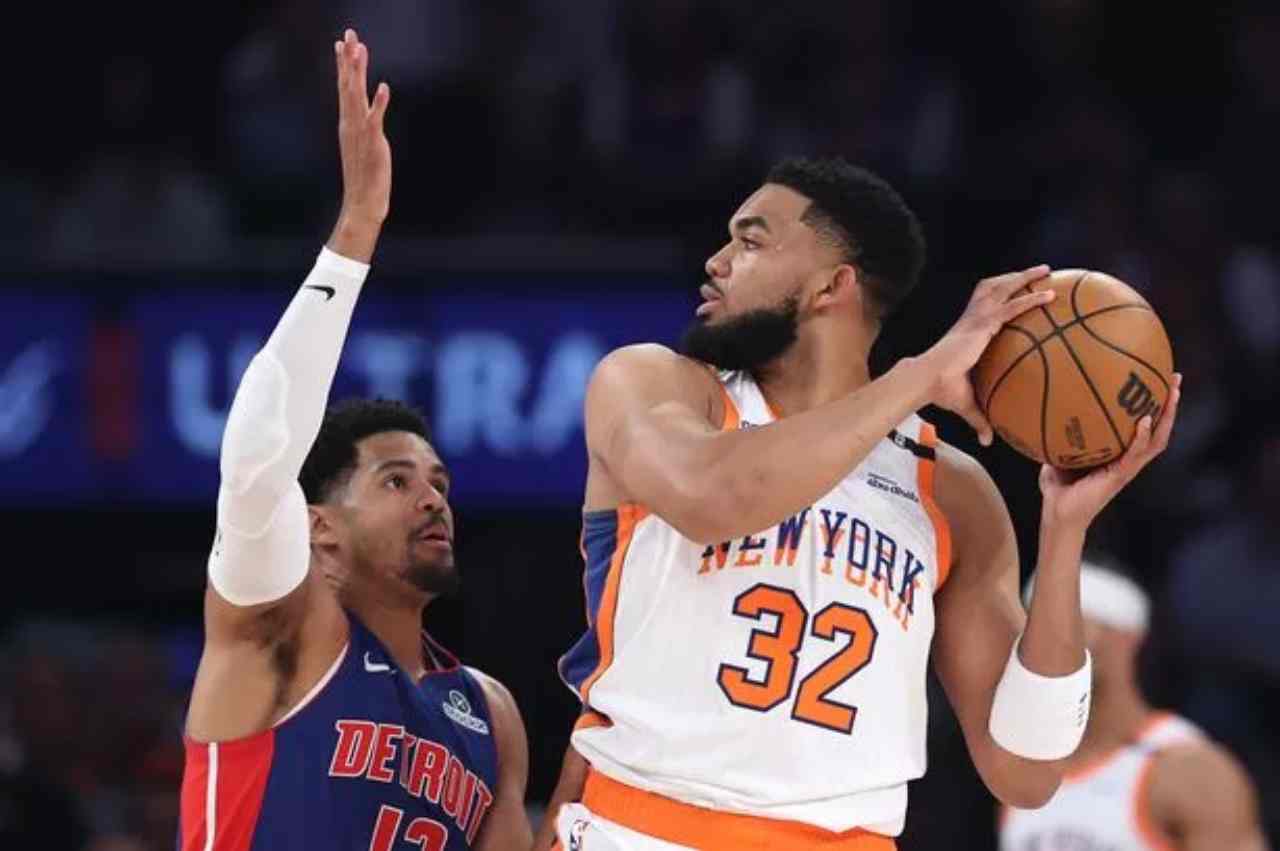
One of the biggest storylines entering the Eastern Conference Finals was the transformation of the New York Knicks’ offense. Over the previous seven playoff games, the decision to use Karl-Anthony Towns as a point center completely changed the identity of the team.
The numbers were extraordinary.
New York posted a staggering 130.5 offensive rating with Towns orchestrating the offense from the top of the floor, creating space for shooters and allowing Jalen Brunson to attack defenses more freely. The system overwhelmed opponents throughout the previous two playoff rounds and became one of the defining tactical adjustments of the postseason.
But Game 1 against the Cleveland Cavaliers revealed the first real counter to that strategy.
And yet, somehow, the Knicks still won.
Cleveland successfully disrupted the Knicks’ new offensive system
From the opening quarter, Cleveland made it clear that stopping Towns would be the priority.
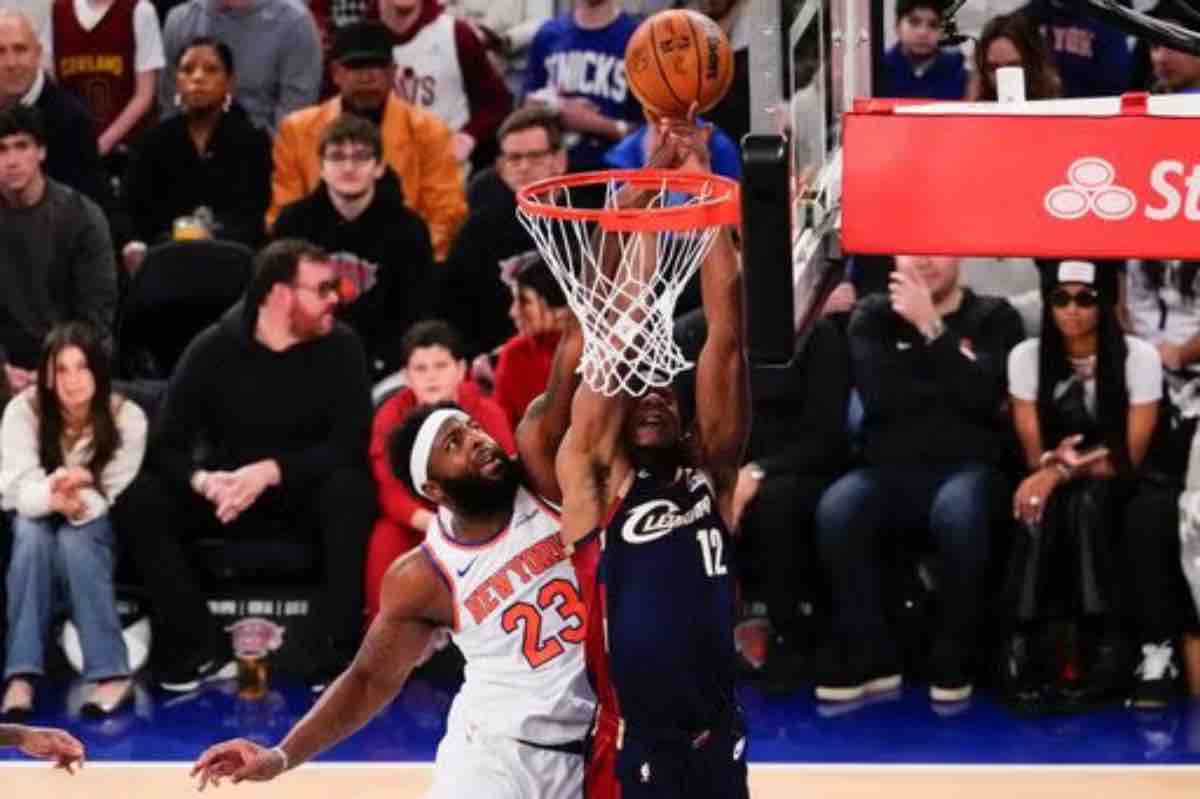
The Cavaliers used the defensive versatility of Evan Mobley and Jarrett Allen to pressure Towns aggressively, limiting both his passing angles and his comfort as a facilitator. Whenever Towns tried initiating offense, Cleveland’s length and physicality disrupted the rhythm that had fueled New York’s recent dominance.
The results were evident statistically.
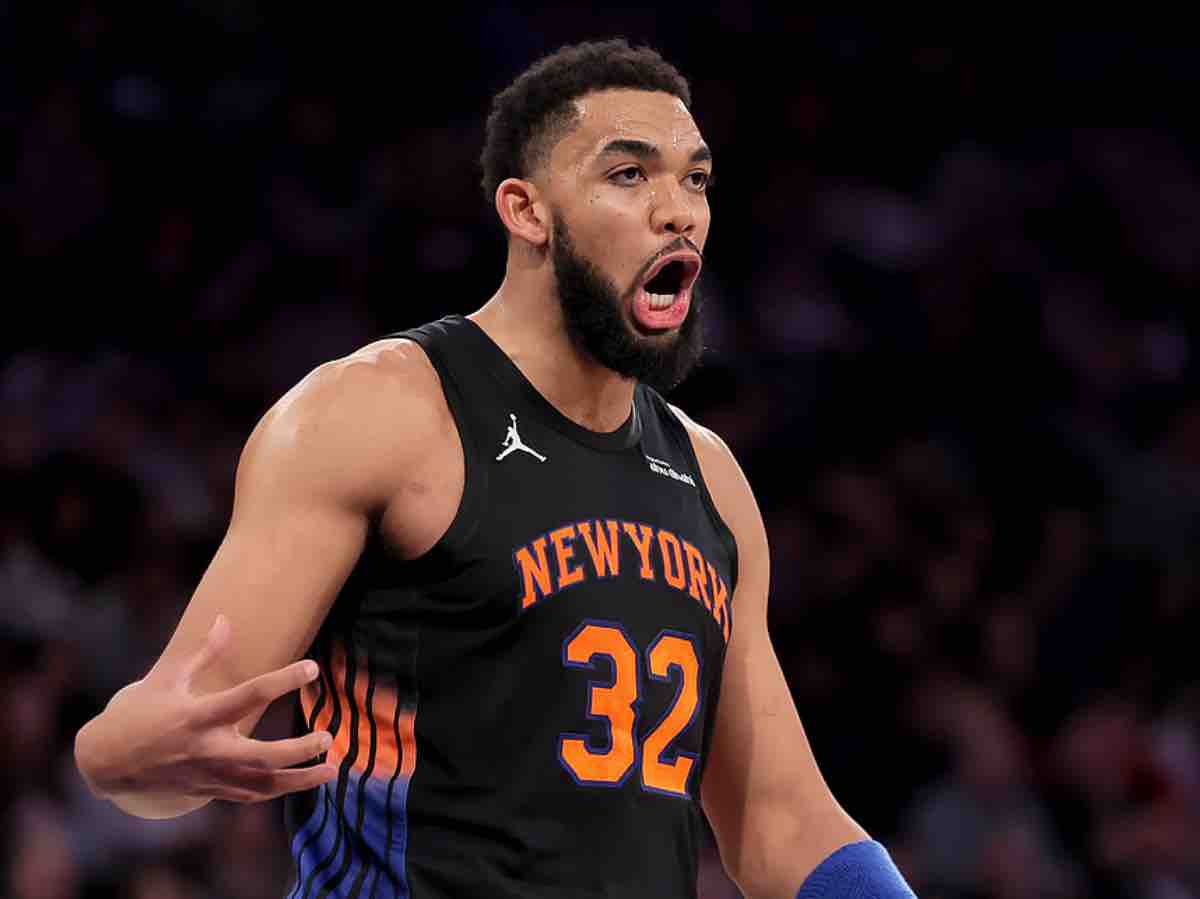
Towns finished with only 13 points on 14 shot attempts and recorded just five assists, his lowest playmaking total since Mike Brown redesigned the Knicks’ offense earlier in the postseason.
Cavaliers head coach Kenny Atkinson openly acknowledged after the game that Cleveland believed it had the personnel necessary to challenge Towns in ways previous opponents could not.
And for long stretches, that strategy worked.
The Knicks looked uncomfortable offensively for much of the night. Cleveland controlled tempo, clogged driving lanes and forced New York away from the fluid offensive style that had made them look unstoppable during the previous rounds.
Brunson’s brilliance turns adversity into a historic comeback
What made Game 1 so significant for New York was not simply the comeback itself — it was the way the Knicks adapted once their primary offensive structure stopped functioning smoothly.
Instead of collapsing when Towns was neutralized, the Knicks leaned on Brunson’s superstar shot creation and late-game composure.
The All-Star guard completely took over in the fourth quarter, leading one of the most remarkable playoff comebacks in recent NBA history. According to league records, New York’s 22-point fourth-quarter rally became the largest comeback in a conference finals game since 1997 and the second-largest postseason comeback overall during that span.
It was a statement victory.
The Cavaliers proved they could slow down Towns as a facilitator. But the Knicks proved something perhaps even more dangerous: they can still beat elite teams even when their offensive engine is disrupted.
That flexibility is what separates good playoff teams from legitimate championship contenders.
And Towns himself embraced that reality after the game. Rather than focusing on his own modest stat line, he emphasized the only number that mattered — the win.
That mentality perfectly reflects the current identity of these Knicks. Individual brilliance matters, but everything now revolves around collective resilience and finding ways to survive difficult moments.
Game 1 showed Cleveland has answers for New York’s new offense.
It also showed the Knicks may have even more answers in return.



















 Knicks News11 months ago
 Knicks News11 months ago