Connect with us

Knicks News

Forgotten Knicks Veteran Saves New York in Game 1 Thriller: Landry Shamet Delivers Career-Defining Moment

Published

on

Landry Shamet emerged as an unlikely hero for the Knicks in Game 1 against Cleveland, hitting clutch three-pointers during New York’s overtime comeback victory.

Every deep playoff run eventually produces an unexpected hero. For the New York Knicks in Game 1 of the Eastern Conference Finals, that player was Landry Shamet.

While much of the attention naturally focused on Jalen Brunson and his brilliant late-game takeover against the Cleveland Cavaliers, New York’s stunning overtime comeback may not have happened without Shamet’s fearless shooting and timely contributions off the bench.

The veteran guard played only 17 minutes total, but 14 of those came during the most important stretch of the game — the fourth quarter and overtime. Mike Brown trusted him in the biggest moments, and Shamet rewarded that confidence by knocking down three massive three-pointers, including the game-tying shot in the final minute of regulation.

It was the type of playoff performance that can completely change the narrative around a player.

Shamet changed the game when the Knicks needed offense most

For nearly three quarters, the Knicks struggled offensively.

Cleveland’s defense disrupted New York’s rhythm, limited the effectiveness of Karl-Anthony Towns as a facilitator and forced the Knicks into difficult half-court possessions. Mike Brown needed spacing, shooting and composure — and Shamet provided all three.

His insertion into the lineup helped open the floor dramatically for Brunson. Defenders could no longer collapse into the paint as aggressively, and the Knicks suddenly began generating cleaner looks and better offensive flow.

But beyond the spacing itself, Shamet delivered under enormous pressure.

The biggest shot came late in regulation, when he calmly drilled a clutch three-pointer to tie the game and completely shift momentum inside Madison Square Garden. In a postseason environment filled with stars, it was the minimum-salary veteran who delivered one of the defining moments of the night.

And it was not accidental.

Shamet has built a reputation throughout his NBA career as a reliable floor spacer who is unafraid of high-pressure situations. Game 1 simply reminded everyone how valuable that skill becomes during playoff basketball.

Brunson and the locker room never lost faith in the veteran guard

After the game, Brunson made it clear that the Knicks’ confidence in Shamet has never wavered.

The All-Star point guard praised his teammate’s professionalism and readiness, emphasizing that Shamet has consistently embraced every role asked of him since arriving in New York.

That trust showed itself during Game 1.

Mike Brown never hesitated to leave Shamet on the floor despite the intensity of the moment, and the veteran guard responded by playing perhaps his most important game of the season.

For the Knicks, this performance also highlighted something larger about the current roster construction. New York is no longer relying solely on one or two stars to survive difficult playoff moments. The team now has experienced role players capable of stepping forward when defenses focus heavily on Brunson and Towns.

That depth may become one of the biggest factors in the rest of this series against Cleveland.

Because while Brunson will continue commanding headlines, Game 1 proved that the Knicks have dangerous contributors throughout the rotation — including players many opponents may underestimate.

And after Landry Shamet’s fourth-quarter heroics, the Cavaliers certainly won’t overlook him again.

AdvertisementAdvertisement

Knicks News

Cavaliers Found a Way to Neutralize Mitchell Robinson — But the Knicks Aren’t Ready to Give Up on Him

Published

on

Mitchell Robinson struggled at the free throw line in Game 1 against Cleveland, but the Knicks still believe the center remains crucial in the Eastern Conference Finals.

The New York Knicks escaped Game 1 of the Eastern Conference Finals with a dramatic overtime victory over the Cleveland Cavaliers, but the win also revealed one of the biggest tactical battles that could shape the rest of the series.

At the center of it all was Mitchell Robinson.

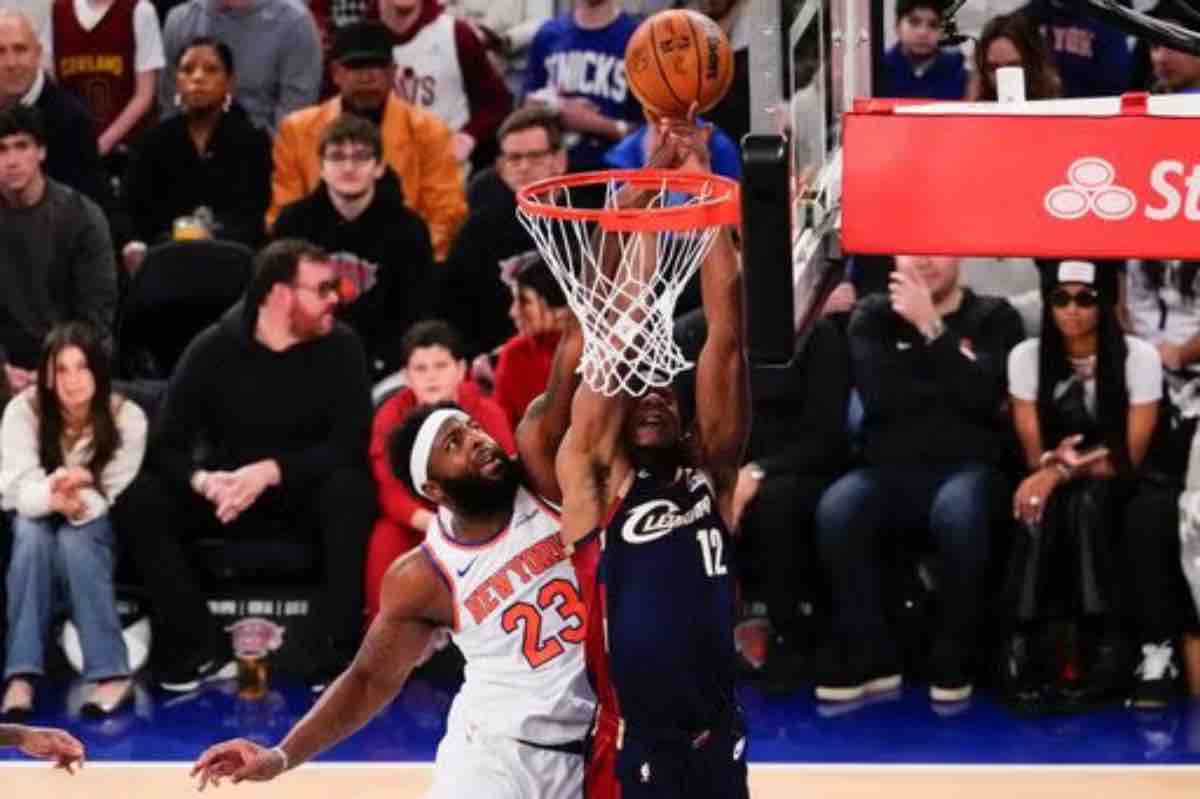
The Knicks big man made a strong impact early in the game with his rebounding, interior defense and physical presence around the rim. However, everything changed once Cleveland adjusted its approach during the second half.

The Cavaliers deliberately targeted Robinson’s biggest weakness: his free throw shooting.

And for several stretches, it worked perfectly.

Cleveland’s intentional fouling strategy changed the game

After Robinson helped New York establish energy and control in the opening half, Cleveland began intentionally sending him to the free throw line whenever possible.

The strategy immediately disrupted the Knicks’ rhythm.

Robinson finished just 2-of-8 from the stripe, and the offensive flow slowed dramatically whenever the Cavaliers turned possessions into free throw sequences instead of allowing New York to attack naturally in transition or half-court offense.

The impact went beyond the missed shots themselves.

Because the Knicks were forced to reconsider Robinson’s minutes during critical stretches of the game, Cleveland effectively changed New York’s rotation and spacing simply by exploiting one flaw.

The numbers reflected the problem clearly. During Robinson’s brief four-minute stint in the third quarter, the Knicks were outscored by seven points as the Cavaliers successfully shifted momentum.

It became obvious that Cleveland was comfortable sacrificing fouls if it meant limiting Robinson’s influence defensively and disrupting New York’s lineup balance.

That chess match could remain one of the defining tactical storylines moving forward in the series.

Mike Brown still sees Robinson as a crucial weapon in the series

Despite the struggles at the line, head coach Mike Brown made it clear after the game that the Knicks are not losing confidence in Robinson.

Brown emphasized that the center has consistently helped the team in similar situations throughout the playoffs and stressed that New York still needs his physicality, rim protection and rebounding presence on the floor.

And the coach has a point.

Even when Robinson is not scoring, his impact often shows up in less obvious ways. He changes shots defensively, creates second-chance opportunities and gives the Knicks an interior toughness that few teams can match.

Against Cleveland’s frontcourt duo of Evan Mobley and Jarrett Allen, that physical presence becomes even more important.

The challenge for New York now is figuring out how to maximize Robinson’s strengths while limiting the damage caused by intentional fouling.

That could involve altering lineups, changing offensive spacing or finding creative ways to move Robinson around before Cleveland can trap him in “Hack-a-Mitch” situations.

One thing is certain: the Cavaliers exposed a real vulnerability in Game 1.

But they also reminded the Knicks just how valuable Robinson can be when he stays playable late in games. And if New York can solve that problem, the series may become even tougher for Cleveland moving forward.

Continue Reading

Knicks News

OG Anunoby Silences Injury Concerns With Overtime Explosion in Knicks’ Comeback Win

Published

on

OG Anunoby overcame early rust after returning from a hamstring injury and played a crucial role in the Knicks’ overtime victory against Cleveland.

The New York Knicks left Game 1 of the Eastern Conference Finals with far more than just a dramatic overtime victory over the Cleveland Cavaliers. They also received the reassurance they desperately needed regarding the health and impact of OG Anunoby.

After missing time with a hamstring injury, Anunoby returned to the lineup carrying understandable questions about conditioning, rhythm and explosiveness. For much of regulation, those concerns appeared legitimate. The forward looked slightly out of sync offensively and struggled to impose himself consistently on the game.

But when the pressure reached its highest point, Anunoby reminded everyone exactly why he has become one of the Knicks’ most indispensable players.

Anunoby shook off early rust before dominating overtime

For nearly three quarters, Anunoby’s stat line remained unusually quiet.

He recorded only four points and two rebounds during his first 29 minutes on the floor, and at times looked like a player still searching for timing after the injury layoff. His offensive aggression came and went, while the pace of playoff basketball clearly required an adjustment period.

Still, the Knicks never panicked about his impact.

Internally, the team understands that Anunoby’s value extends well beyond scoring. His defensive versatility, physicality and ability to stabilize possessions make him essential even on nights when his shot is not falling.

And once overtime arrived, the rust completely disappeared.

Anunoby erupted for nine points and three rebounds in the extra period, becoming one of the defining factors in New York’s comeback victory. He attacked confidently, moved with far more freedom and looked increasingly comfortable as the game progressed.

After the win, Anunoby admitted that it simply took time to feel fully like himself again following the injury.

The Knicks’ two-way star proved why his health changes everything

The importance of Anunoby’s return cannot be overstated for the Knicks.

Throughout the postseason, New York has looked like a far more complete and dangerous team whenever he is fully healthy. His presence gives head coach Mike Brown enormous flexibility defensively while also adding another reliable scorer and secondary creator alongside Jalen Brunson and Karl-Anthony Towns.

Against Cleveland, his late-game production was particularly encouraging because it showed that his conditioning and confidence improved in real time during meaningful playoff minutes.

That matters enormously moving forward in the series.

The Cavaliers present one of the toughest two-way challenges remaining in the postseason, and New York will need Anunoby at his best to continue matching up with Cleveland’s size, athleticism and perimeter scoring threats.

Game 1 suggested the Knicks may be getting exactly that version back.

The early rust was expected. The strong finish, however, may have been even more important than the final stat line itself. It was a reminder that when Anunoby is healthy and aggressive, the Knicks become significantly harder to beat on both ends of the floor.

And after one dramatic overtime victory, New York suddenly looks even deeper, tougher and more complete heading into the rest of the Eastern Conference Finals.

Continue Reading

Knicks News

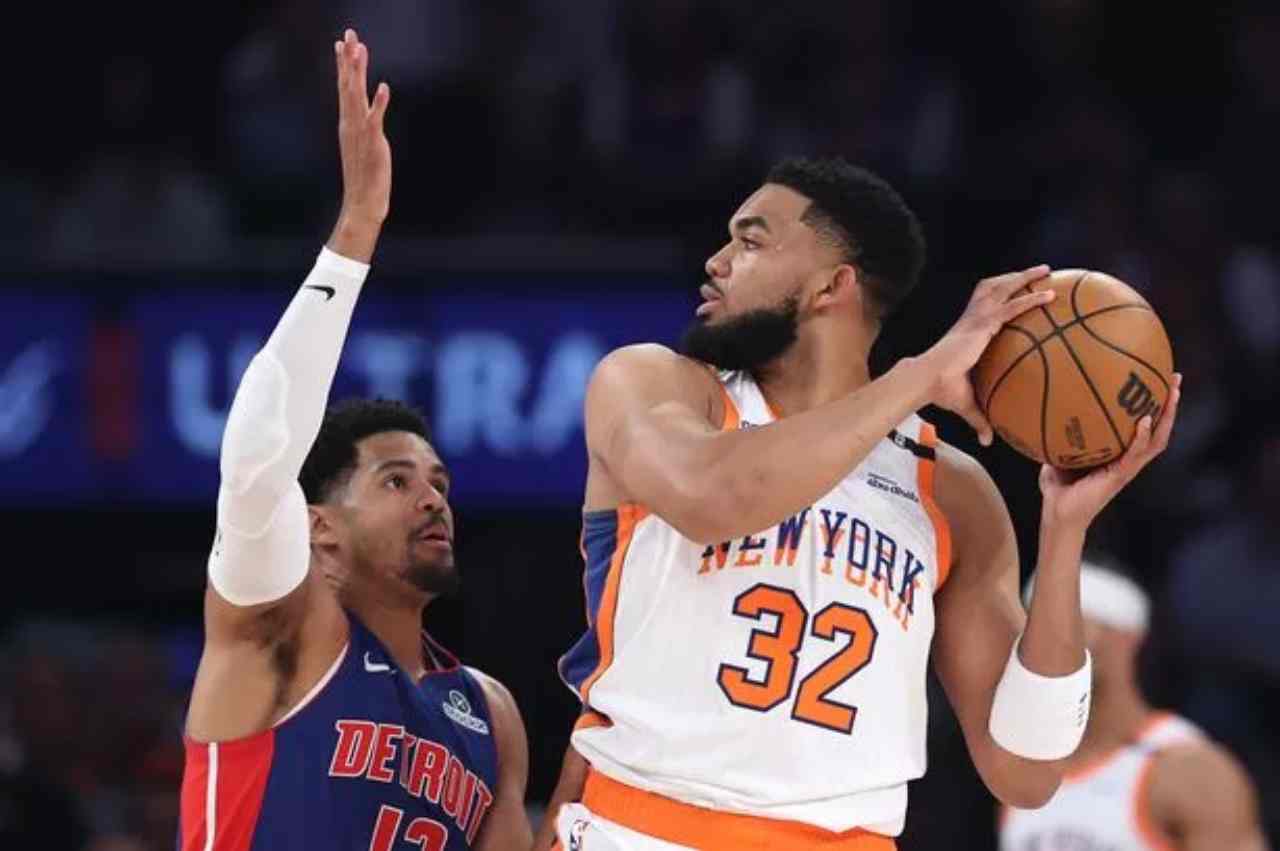
Cavaliers Slowed Down Karl-Anthony Towns — But the Knicks Still Found a Way to Break Cleveland

Published

on

The Cavaliers limited Karl-Anthony Towns in Game 1, but Jalen Brunson and the Knicks completed a historic comeback to steal the opener of the Eastern Conference Finals.

One of the biggest storylines entering the Eastern Conference Finals was the transformation of the New York Knicks’ offense. Over the previous seven playoff games, the decision to use Karl-Anthony Towns as a point center completely changed the identity of the team.

The numbers were extraordinary.

New York posted a staggering 130.5 offensive rating with Towns orchestrating the offense from the top of the floor, creating space for shooters and allowing Jalen Brunson to attack defenses more freely. The system overwhelmed opponents throughout the previous two playoff rounds and became one of the defining tactical adjustments of the postseason.

But Game 1 against the Cleveland Cavaliers revealed the first real counter to that strategy.

And yet, somehow, the Knicks still won.

Cleveland successfully disrupted the Knicks’ new offensive system

From the opening quarter, Cleveland made it clear that stopping Towns would be the priority.

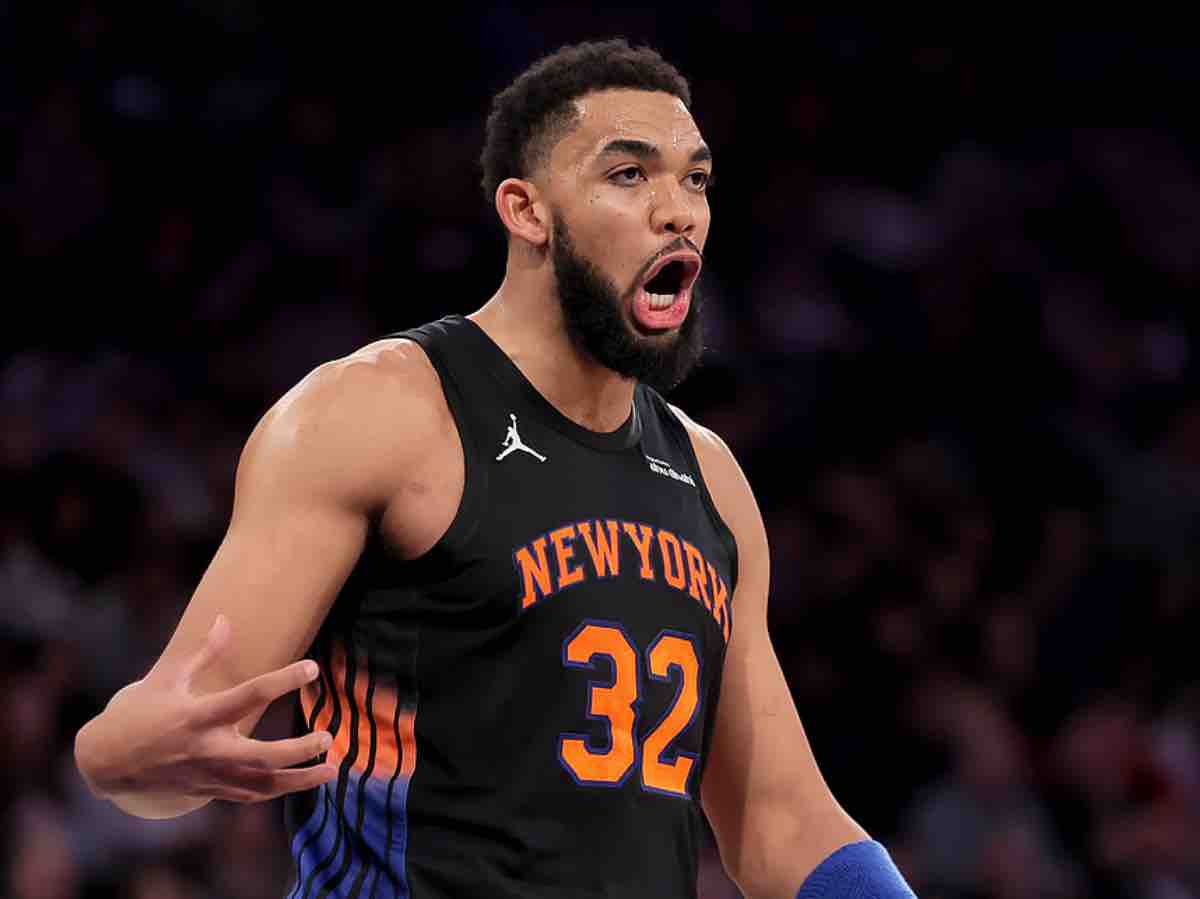
The Cavaliers used the defensive versatility of Evan Mobley and Jarrett Allen to pressure Towns aggressively, limiting both his passing angles and his comfort as a facilitator. Whenever Towns tried initiating offense, Cleveland’s length and physicality disrupted the rhythm that had fueled New York’s recent dominance.

The results were evident statistically.

Towns finished with only 13 points on 14 shot attempts and recorded just five assists, his lowest playmaking total since Mike Brown redesigned the Knicks’ offense earlier in the postseason.

Cavaliers head coach Kenny Atkinson openly acknowledged after the game that Cleveland believed it had the personnel necessary to challenge Towns in ways previous opponents could not.

And for long stretches, that strategy worked.

The Knicks looked uncomfortable offensively for much of the night. Cleveland controlled tempo, clogged driving lanes and forced New York away from the fluid offensive style that had made them look unstoppable during the previous rounds.

Brunson’s brilliance turns adversity into a historic comeback

What made Game 1 so significant for New York was not simply the comeback itself — it was the way the Knicks adapted once their primary offensive structure stopped functioning smoothly.

Instead of collapsing when Towns was neutralized, the Knicks leaned on Brunson’s superstar shot creation and late-game composure.

The All-Star guard completely took over in the fourth quarter, leading one of the most remarkable playoff comebacks in recent NBA history. According to league records, New York’s 22-point fourth-quarter rally became the largest comeback in a conference finals game since 1997 and the second-largest postseason comeback overall during that span.

It was a statement victory.

The Cavaliers proved they could slow down Towns as a facilitator. But the Knicks proved something perhaps even more dangerous: they can still beat elite teams even when their offensive engine is disrupted.

That flexibility is what separates good playoff teams from legitimate championship contenders.

And Towns himself embraced that reality after the game. Rather than focusing on his own modest stat line, he emphasized the only number that mattered — the win.

That mentality perfectly reflects the current identity of these Knicks. Individual brilliance matters, but everything now revolves around collective resilience and finding ways to survive difficult moments.

Game 1 showed Cleveland has answers for New York’s new offense.

It also showed the Knicks may have even more answers in return.

Continue Reading

Trending

Copyright © 2017 Zox News Theme. Theme by MVP Themes, powered by WordPress.