Connect with us

Knicks News

Knicks Could Shake Up the Entire Second Round — Here’s Who They Might Target

Published

on

The New York Knicks entered the second round of the 2026 NBA Draft with multiple picks and trade flexibility, targeting value and cap relief.

After an aggressive and unconventional first night, the New York Knicks entered the second round of the 2026 NBA Draft with one clear identity: unpredictable.

Armed with multiple picks and fresh off a series of trades that reshaped their draft capital, the Knicks positioned themselves to control the flow of the second round. Whether by selecting prospects or flipping picks for future assets, the front office made it clear that flexibility—not immediate need—was the driving force behind every move.

Originally holding selections No. 31, 47, and 55, New York also signaled a willingness to move again, particularly with the early second-round pick. The objective remains consistent with their broader offseason philosophy: reduce financial commitments, avoid the second apron, and maintain room to retain key pieces of their championship roster.

This approach naturally opens the door to a wide range of draft scenarios, making it difficult to predict exactly which direction the Knicks might take.

From Early Targets to Late Gems: A Board Full of Opportunities

At the top of the second round, the Knicks had access to several intriguing prospects capable of contributing in different ways. Players like Isaiah Evans, Meleek Thomas, and Henri Veesaar offered a blend of shooting, scoring, and interior presence, making them ideal fits for a team seeking both upside and versatility.

As the board moved into the middle portion of the round, the focus shifted slightly toward role players and developmental pieces. Frontcourt options such as Izaiyah Nelson and Ugonna Onyenso provided defensive presence, while wings like Tyler Nickel and Bryce Hopkins brought shooting and offensive polish—skills highly valued on a championship contender.

By the late second round, the draft became less about immediate impact and more about identifying hidden value. Prospects like Aaron Nkrumah, Nick Martinelli, and Tobi Lawal represented potential long-term projects or two-way contract candidates, giving the Knicks additional flexibility to manage their roster without adding significant financial strain.

Ultimately, the Knicks’ second-round approach reflects a franchise thinking beyond draft night. Rather than chasing headlines, New York is carefully balancing talent acquisition with financial sustainability.

Whether they choose to make selections, stash prospects, or continue trading down, the strategy remains clear: build for the future while protecting the present.

And in a league where roster construction is as much about economics as it is about talent, that balance could prove to be the Knicks’ biggest advantage moving forward.

AdvertisementAdvertisement

Knicks News

Knicks Facing Brutal Cap Crunch — And Every Move Could Decide Their Title Defense

Published

on

The New York Knicks face a complex offseason with multiple free agents and cap constraints, making every roster decision crucial.

Winning a title often brings clarity. For the New York Knicks, it has brought something else as well: a complicated financial puzzle.

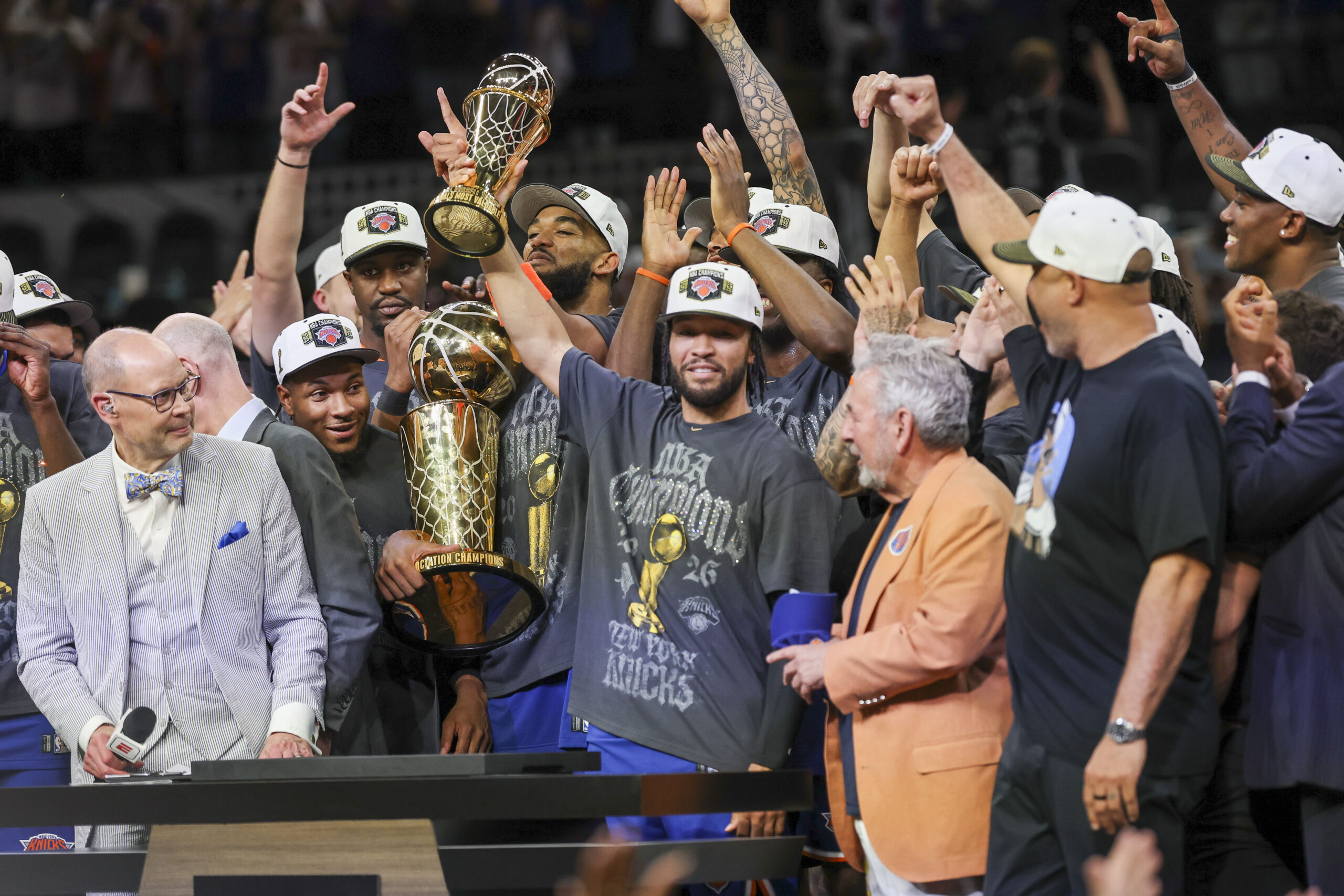
Fresh off their first championship in more than five decades, the Knicks are now navigating one of the most delicate offseasons in the NBA. The challenge is not just about defending their crown—it is about doing so while managing a roster squeezed by the league’s restrictive salary cap rules, particularly the second apron.

Several key contributors from the championship run are entering uncertain territory. Mitchell Robinson and Landry Shamet headline a group of unrestricted free agents, alongside veterans like Jordan Clarkson and Jeremy Sochan. At the same time, the front office must evaluate restricted free agents such as Ariel Hukporti, Kevin McCullar Jr., and Trey Jemison.

Then there is Jose Alvarado, whose impact during the title run made him a fan favorite. By agreeing to delay his player option decision until after the draft, Alvarado effectively gave the Knicks additional room to maneuver. The expectation around the league remains that both sides will eventually find common ground, but nothing is guaranteed in a market shaped by financial constraints.

In this context, even the smallest contract decisions carry weight. Minimum deals, rookie contracts, and cap exceptions are no longer secondary details—they are essential tools in maintaining depth without compromising flexibility.

Brock Aller’s Vision: Flexibility First, Decisions Later

The Knicks’ draft-night activity offered a clear glimpse into how the front office plans to approach this challenge.

Led by vice president of basketball and strategic planning Brock Aller, New York executed a series of rapid-fire trades that transformed their draft position into financial breathing room. In just a short span, the team moved out of the first round, accumulated multiple second-round picks—including a future selection—and generated approximately $3.2 million in cap savings.

Those moves were not random. They were part of a broader strategy designed to maximize optionality.

By avoiding guaranteed first-round contracts, the Knicks preserved the ability to structure deals more flexibly using mechanisms like the Second-Round Pick Exception. This allows them to add young talent without significantly impacting their cap sheet—a critical advantage when every dollar counts.

More importantly, these decisions buy time.

With major contract negotiations still looming, particularly involving Robinson and other key contributors, the Knicks have positioned themselves to react rather than rush. They can now assess the market, explore trade scenarios, and make calculated decisions without being forced into unfavorable commitments.

In a league where financial missteps can quickly close a championship window, New York is taking a measured approach. The goal is not just to remain competitive—it is to sustain success.

The offseason is far from over, and the toughest decisions are still ahead. But one thing is already clear: for the Knicks, every roster spot, every contract, and every dollar matters.

Continue Reading

Knicks News

Knicks’ Draft Plan Was Never About Picks — Here’s the Real Strategy Behind It

Published

on

The New York Knicks used the 2026 NBA Draft to create cap flexibility, selecting Jack Kayil and Tyler Nickel while protecting their championship core.

The New York Knicks didn’t navigate the 2026 NBA Draft with the intention of making a splash—they executed a carefully structured plan designed to protect their championship window.

After a series of trades that saw them move out of the first round, the Knicks created approximately $3.2 million in immediate cap savings while stockpiling second-round picks and additional assets. On the surface, the selections of Jack Kayil at No. 39 and Tyler Nickel at No. 47 may not appear headline-worthy, but they represent a deeper strategic approach.

The front office’s priority was clear: maintain financial flexibility while preserving the core that delivered the franchise’s first title in over five decades. In an NBA landscape increasingly shaped by the restrictive second apron, avoiding long-term financial commitments has become just as important as adding talent.

Second-round picks offered the perfect solution. Unlike first-round selections, they are not tied to the rookie-scale salary system, allowing teams to structure contracts with far greater flexibility. For the Knicks, this meant the ability to add young talent without compromising their cap structure.

Kayil and Nickel: Different Timelines, Same Opportunity

While the strategy was rooted in financial planning, the Knicks still walked away with two intriguing prospects—each offering a different developmental pathway.

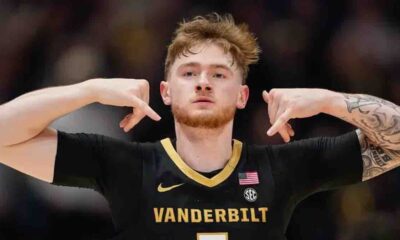
Jack Kayil represents the long-term investment. The 20-year-old German guard built an impressive résumé with ALBA Berlin, showcasing his all-around game while earning recognition as one of the top young players in Europe. His ability to score, create, and adapt makes him an appealing project, even if his immediate NBA role remains uncertain.

New York now has multiple options with Kayil. He could join the roster right away, develop in the G League, or even remain overseas as a draft-and-stash prospect. That level of flexibility aligns perfectly with the team’s broader philosophy.

Tyler Nickel, on the other hand, arrives as a more polished and NBA-ready option. The 22-year-old wing has established himself as a consistent perimeter threat, shooting around 40% from beyond the arc over multiple collegiate seasons. His experience and shooting ability could allow him to compete for minutes sooner, particularly if roster changes create opportunities on the wing.

Both players benefit from the Second-Round Pick Exception, which allows the Knicks to sign them without significantly impacting their cap situation. This gives the organization full control over their development timelines while maintaining financial discipline.

In the end, this draft wasn’t about finding instant contributors—it was about positioning the franchise for sustained success. The Knicks balanced the need for young talent with the realities of the modern salary cap, ensuring they remain competitive without sacrificing flexibility.

It may not have been flashy, but it was effective. And for a team aiming to repeat as champions, that may be exactly what matters most.

Continue Reading

Knicks News

Knicks Shock Draft Night Again — But Their Hidden Gems Could Be the Real Story

Published

on

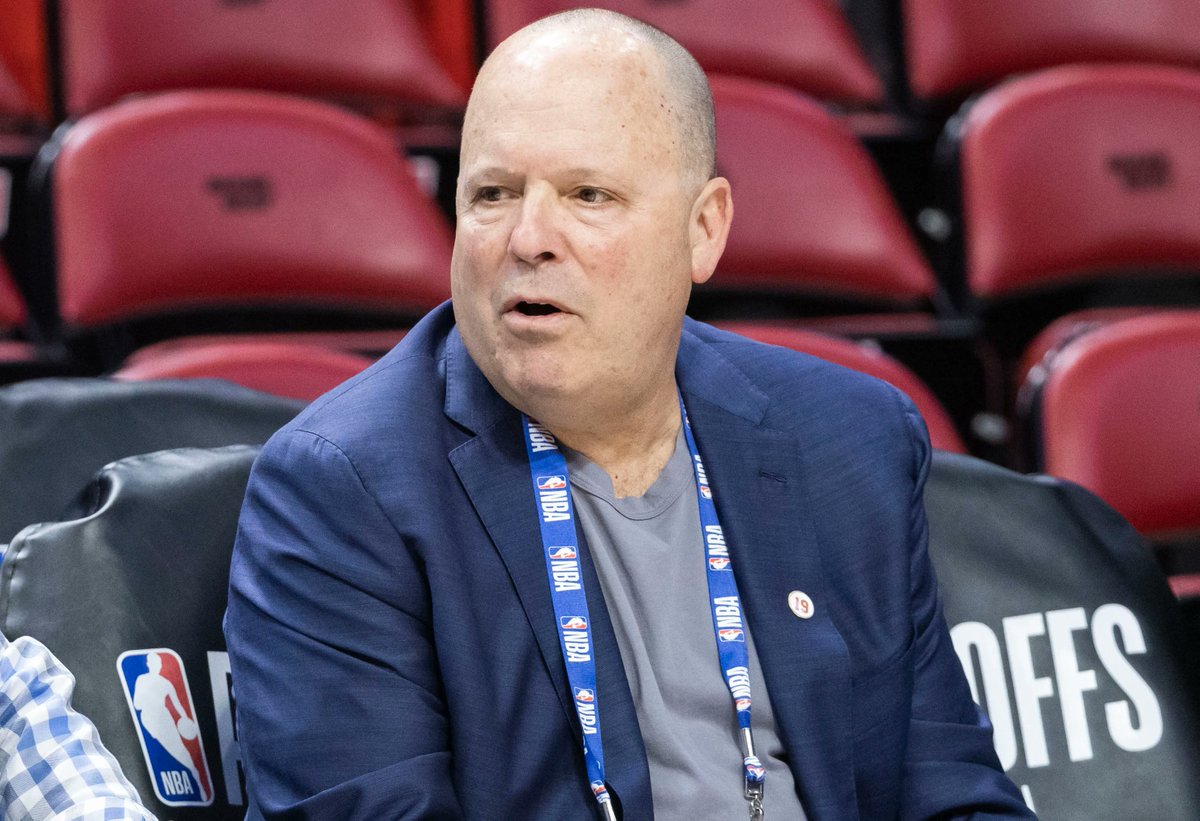
Leon Rose

The New York Knicks traded out of the first round but added Jack Kayil and Tyler Nickel in the second round of the 2026 NBA Draft.

The New York Knicks took an unconventional path during the 2026 NBA Draft, opting to trade out of the first round entirely in a series of calculated moves that prioritized financial flexibility over immediate talent acquisition.

Initially holding the No. 24 pick, the Knicks selected Cameron Carr before quickly moving him to the Los Angeles Lakers in exchange for the No. 25 pick. That selection was used on Sergio de Larrea, who was then dealt to the Dallas Mavericks as part of another trade that brought back Koa Peat and two second-round picks.

The front office didn’t stop there. Peat was subsequently flipped to the Phoenix Suns in exchange for three additional second-round selections and cash considerations. By the end of the night, New York had completely exited the first round, turning one pick into multiple assets and increased cap flexibility.

This strategy clearly reflects the franchise’s current priorities. With a championship roster already in place and looming financial constraints tied to the second apron, the Knicks are focusing on maintaining flexibility rather than adding guaranteed rookie contracts.

Kayil and Nickel: High-Upside Bets in the Second Round

After a quiet first night, the Knicks finally added new talent in the second round, selecting guard Jack Kayil with the No. 39 overall pick. The 20-year-old arrives from Germany, where he played a key role in Alba Berlin’s Bundesliga title-winning campaign.

Although relatively unknown to casual NBA fans, Kayil brings an impressive résumé for his age. He earned multiple accolades, including Bundesliga Best Young Player and FIBA Champions League Best Young Player, while also securing a place on the All-FIBA Champions League Second Team.

Beyond the awards, Kayil’s mentality stood out immediately. In his first comments after being drafted, he emphasized his competitive nature and desire to win—traits that align perfectly with the Knicks’ identity as a championship-driven team.

However, his path to meaningful minutes will not be easy. New York’s backcourt is already crowded with established players such as Jalen Brunson, Josh Hart, Miles McBride, Jose Alvarado, Jordan Clarkson, and Tyler Kolek. Kayil will need to prove his value quickly in order to carve out a role.

The Knicks also used the No. 47 pick to select Tyler Nickel, adding another developmental piece to their roster. Like Kayil, Nickel represents a long-term investment rather than an immediate contributor, reinforcing the idea that New York is thinking beyond the present.

In the end, the Knicks’ draft may not have delivered headline-grabbing names, but it reflects a clear organizational philosophy. By stockpiling assets and targeting upside in the second round, the franchise is positioning itself to sustain success while navigating the complexities of the modern NBA salary cap.

Continue Reading

Tendenza

Copyright © 2017 Zox News Theme. Theme by MVP Themes, powered by WordPress.