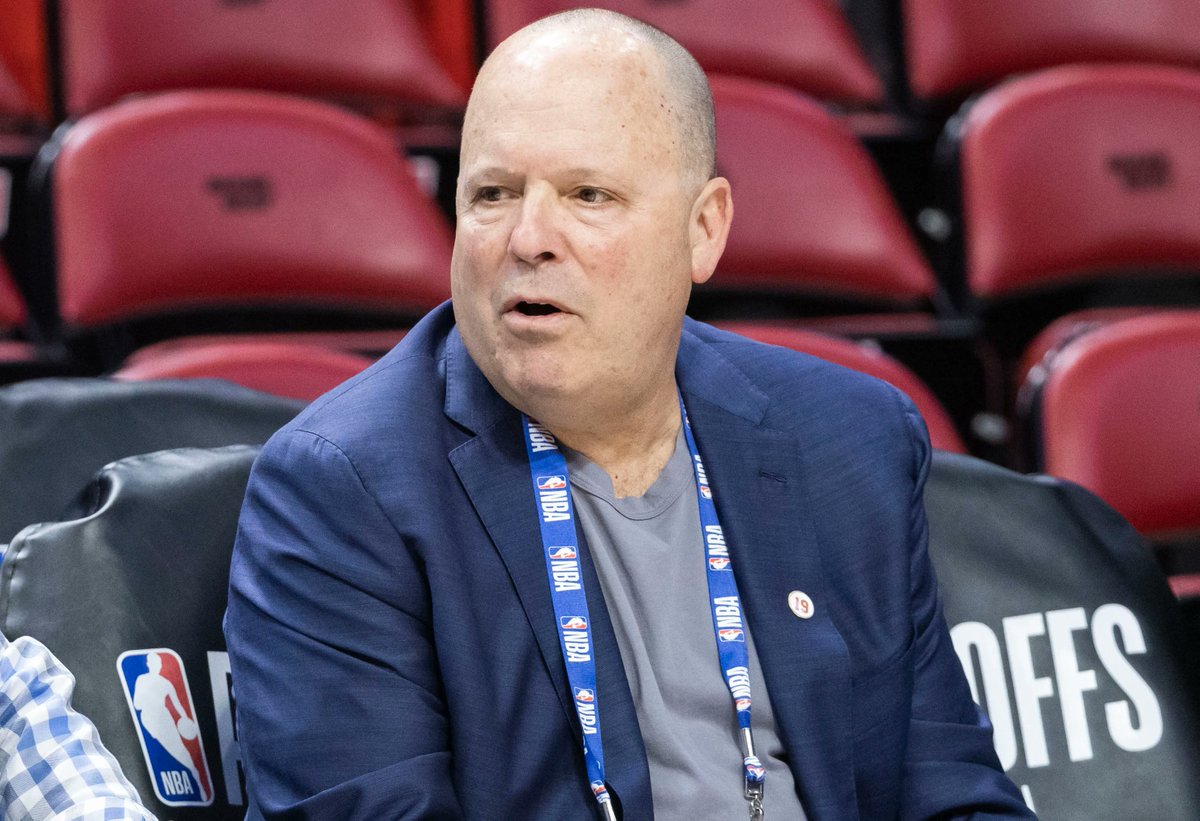
The New York Knicks face a complex offseason with multiple free agents and cap constraints, making every roster decision crucial.
Winning a title often brings clarity. For the New York Knicks, it has brought something else as well: a complicated financial puzzle.
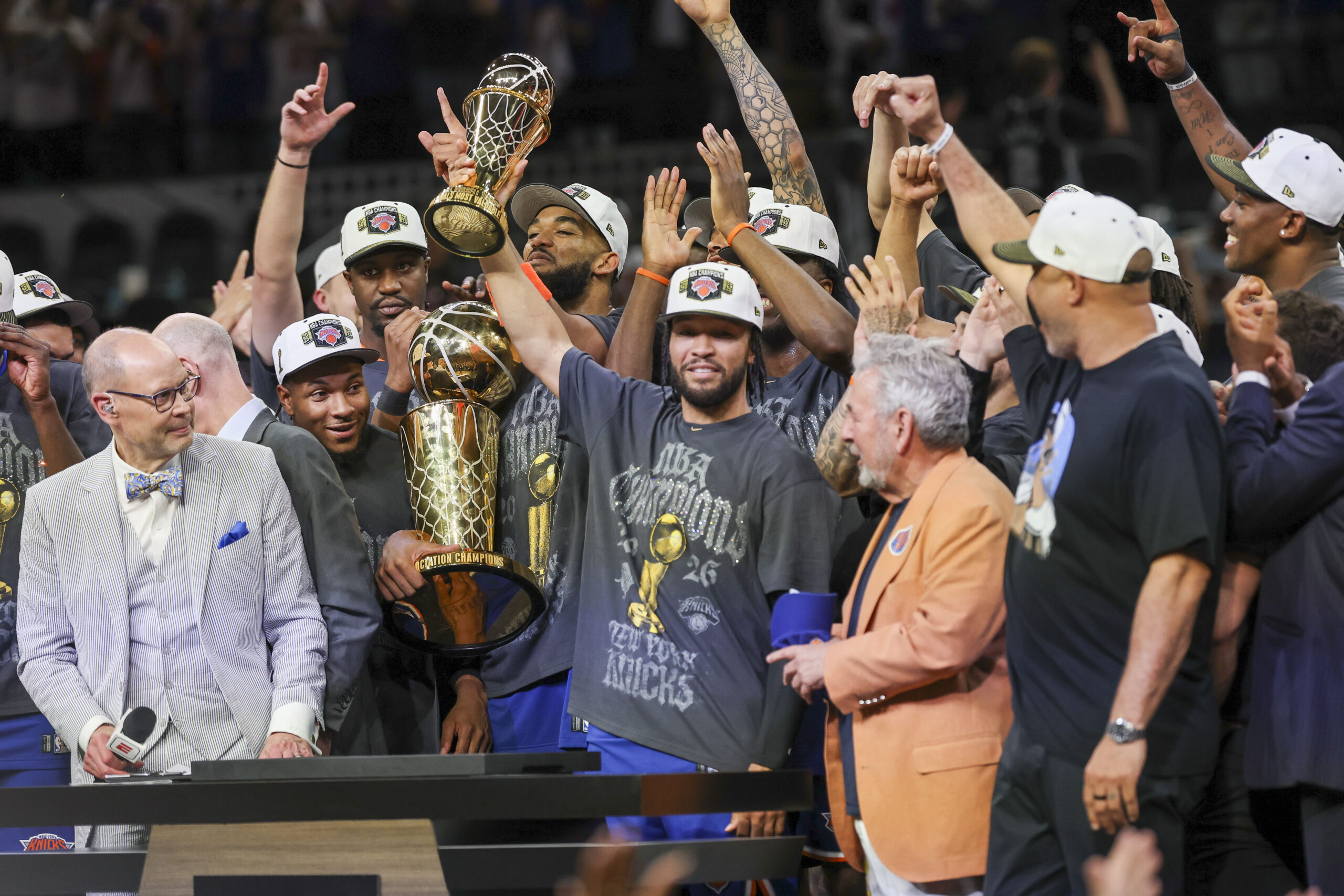
Fresh off their first championship in more than five decades, the Knicks are now navigating one of the most delicate offseasons in the NBA. The challenge is not just about defending their crown—it is about doing so while managing a roster squeezed by the league’s restrictive salary cap rules, particularly the second apron.
Several key contributors from the championship run are entering uncertain territory. Mitchell Robinson and Landry Shamet headline a group of unrestricted free agents, alongside veterans like Jordan Clarkson and Jeremy Sochan. At the same time, the front office must evaluate restricted free agents such as Ariel Hukporti, Kevin McCullar Jr., and Trey Jemison.
Then there is Jose Alvarado, whose impact during the title run made him a fan favorite. By agreeing to delay his player option decision until after the draft, Alvarado effectively gave the Knicks additional room to maneuver. The expectation around the league remains that both sides will eventually find common ground, but nothing is guaranteed in a market shaped by financial constraints.
In this context, even the smallest contract decisions carry weight. Minimum deals, rookie contracts, and cap exceptions are no longer secondary details—they are essential tools in maintaining depth without compromising flexibility.
Brock Aller’s Vision: Flexibility First, Decisions Later
The Knicks’ draft-night activity offered a clear glimpse into how the front office plans to approach this challenge.
Led by vice president of basketball and strategic planning Brock Aller, New York executed a series of rapid-fire trades that transformed their draft position into financial breathing room. In just a short span, the team moved out of the first round, accumulated multiple second-round picks—including a future selection—and generated approximately $3.2 million in cap savings.
Those moves were not random. They were part of a broader strategy designed to maximize optionality.
By avoiding guaranteed first-round contracts, the Knicks preserved the ability to structure deals more flexibly using mechanisms like the Second-Round Pick Exception. This allows them to add young talent without significantly impacting their cap sheet—a critical advantage when every dollar counts.
More importantly, these decisions buy time.
With major contract negotiations still looming, particularly involving Robinson and other key contributors, the Knicks have positioned themselves to react rather than rush. They can now assess the market, explore trade scenarios, and make calculated decisions without being forced into unfavorable commitments.
In a league where financial missteps can quickly close a championship window, New York is taking a measured approach. The goal is not just to remain competitive—it is to sustain success.
The offseason is far from over, and the toughest decisions are still ahead. But one thing is already clear: for the Knicks, every roster spot, every contract, and every dollar matters.