The Knicks face a crucial offseason decision as Mitchell Robinson, Landry Shamet and second-apron concerns could shape their 2026 NBA Draft strategy.
The New York Knicks enter the 2026 NBA Draft from a position most teams would envy. They are fresh off a championship, they have a core built around Jalen Brunson, Karl-Anthony Towns, Mikal Bridges, OG Anunoby and Josh Hart, and they still own useful draft capital to improve the margins of the roster.
But title teams rarely get simple offseasons.
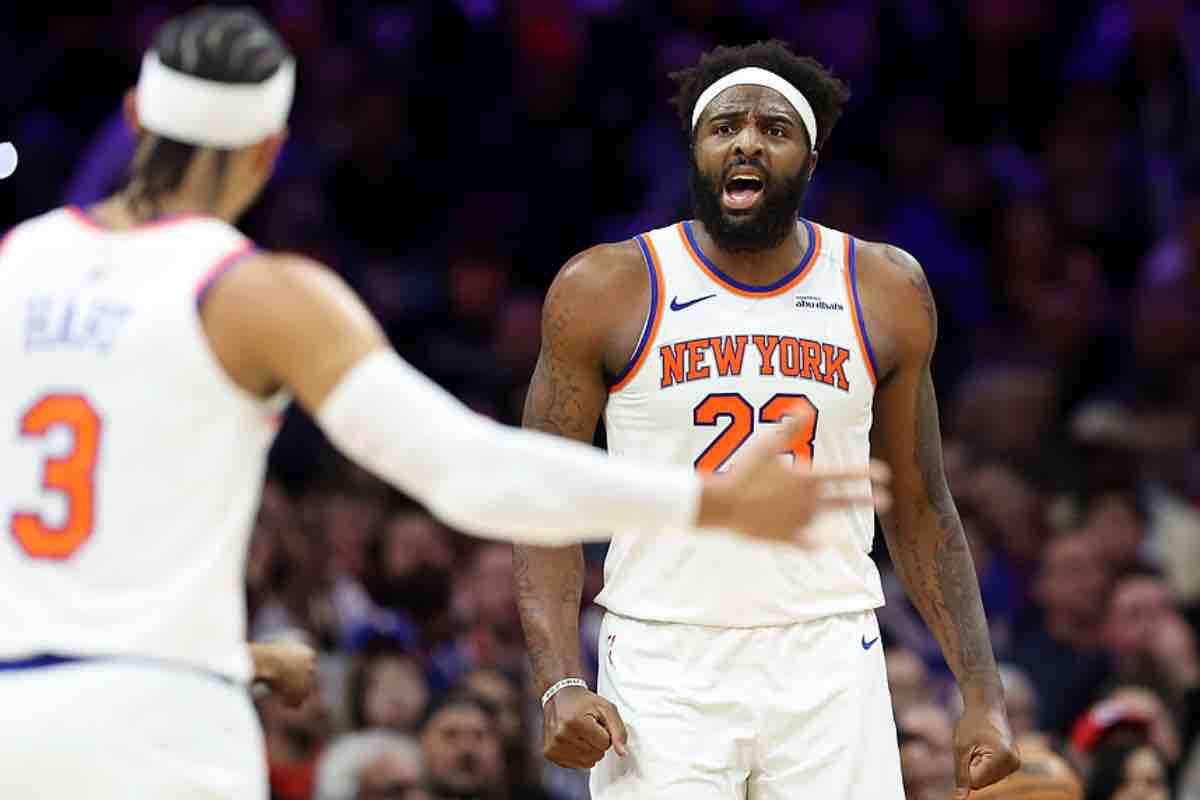
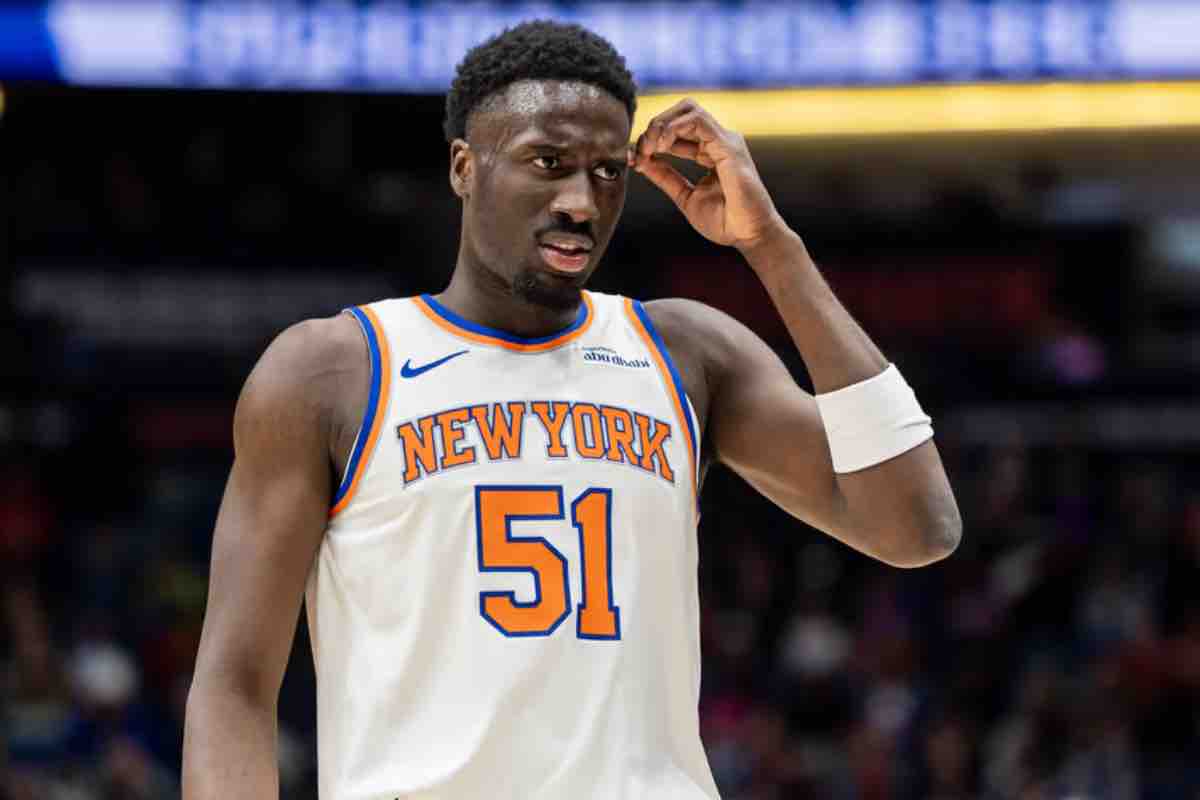
For New York, the first major question is not only who they like at No. 24 or No. 31. It is how much of last season’s depth they can realistically keep. Mitchell Robinson and Landry Shamet both played important roles during the championship run, and their futures could dramatically change the Knicks’ draft board.
If Robinson and Shamet return, the Knicks can afford to chase a more specific need. In that scenario, size on the wing and secondary ball-handling should be near the top of the list. New York already has star power, defensive toughness and postseason experience. What it could use is another versatile player capable of surviving playoff matchups, spacing the floor or easing the burden on Brunson.
That is where a prospect such as Yaxel Lendeborg, Isaiah Evans or another wing-sized contributor could become appealing, depending on how the board falls. The Knicks do not necessarily need a future star. They need a player who can defend, move the ball, hit open shots and avoid becoming unplayable in May and June.
There is also internal interest in players such as Tobe Awaka or a physical frontcourt profile like Somto Cyril or Ernest Udeh Jr., but one name that has drawn attention is Ejiofor. A strong, energetic forward with defensive tools and rebounding instincts would fit the Knicks’ identity. New York has built its success on toughness, extra possessions and role players who embrace dirty work. That makes this type of prospect easy to understand from a team-building perspective.
Could the Second Apron Change Everything?
The more complicated scenario arrives if the Knicks believe they are in danger of losing Robinson or Ariel Hukporti. At that point, drafting a center becomes far more realistic.
Tarris Reed Jr. could be one of the more logical names in New York’s range. He brings size, strength and a physical interior presence, all traits the Knicks have valued under this roster construction. Robinson’s offensive rebounding and rim protection have been central to New York’s formula, and replacing that type of impact is not easy on the free-agent market, especially for a team trying to manage luxury-tax and apron restrictions.
That is why James Dolan’s recent comments about not wanting to spend into the second apron matter so much.
On the surface, avoiding the second apron sounds responsible. The new collective bargaining agreement punishes expensive teams with roster-building limitations, trade restrictions and long-term flexibility concerns. But for a reigning champion, the issue is more delicate. The Knicks may need to enter second-apron territory simply to retain important pieces such as Robinson and Shamet.
That is why Dolan’s statement creates uncertainty. It is possible he was referring to the harsher long-term penalties that come when a team stays in second-apron territory repeatedly over a multi-year window. If that is the case, the Knicks could still spend aggressively this summer while trying to avoid becoming locked into apron trouble for several seasons.
But if Dolan truly intends to keep the payroll below the second apron immediately, the consequences could be significant.
New York would likely have to make difficult choices. Robinson’s future would become less secure. Shamet’s return would be harder to justify. The front office might be forced to prioritize cheaper rookie-scale depth, minimum contracts and internal development over veteran continuity.
That would be a risky pivot for a team that just won a championship, especially when Brunson already sacrificed money on his contract to help the organization build a deeper roster around him. Championship windows are fragile. The Knicks have one now, and the worst mistake would be treating it like it is guaranteed to stay open forever.
The draft, then, becomes more than a talent grab. It becomes a financial pressure point.
If the Knicks keep Robinson and Shamet, they can draft for upside and balance. If they lose one or both, they may need to draft for immediate replacement value. And if second-apron concerns become a hard organizational limit, New York’s front office could be forced to find rotation players at the cheapest possible cost.
For a team that finally reached the top, this is the challenge of staying there. The Knicks do not need to reinvent themselves. But they do need to protect the depth, toughness and flexibility that made them champions in the first place.