Connect with us

Knicks News

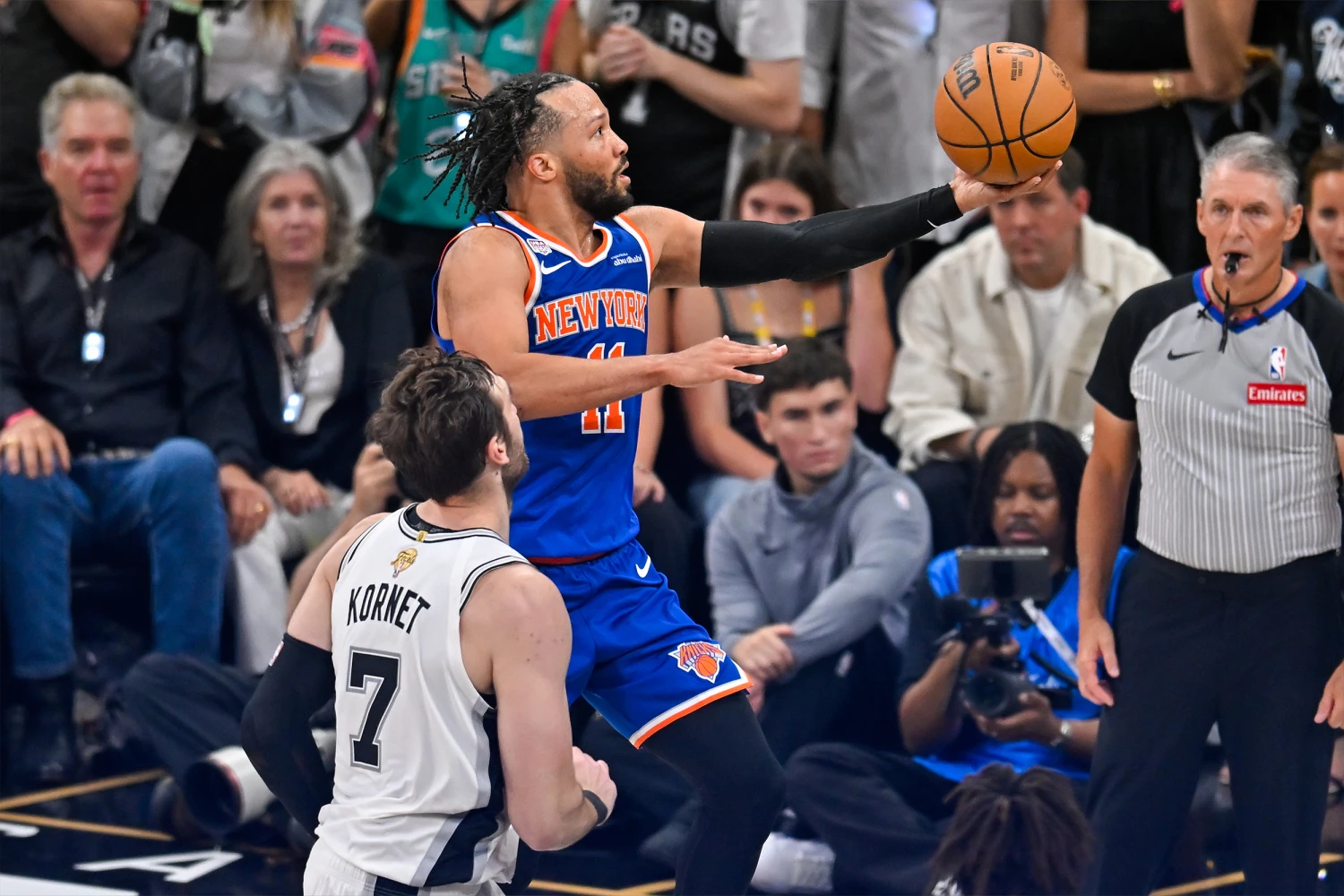
Why Jalen Brunson Is the Smartest Player in the NBA: The Basketball IQ That Changed the Knicks Forever

Published

on

Jalen Brunson isn’t the fastest or most athletic NBA superstar, but his basketball IQ has made him the leader of the New York Knicks and one of the league’s most unstoppable players.

There are players who overwhelm opponents with athleticism.

Others dominate through size or explosive scoring.

Then there is Jalen Brunson, a player who has built his reputation—and a championship career—on something much harder to teach: intelligence.

The New York Knicks’ captain isn’t the tallest point guard in the NBA. He isn’t the quickest, nor does he possess the breathtaking vertical leap of many of the league’s biggest stars. Yet when the game slows down in the fourth quarter, there are few players coaches would trust more with the basketball.

That’s because Brunson consistently wins possessions before they even begin.

His greatest weapon isn’t speed.

It’s anticipation.

He Sees the Game One Step Ahead

Watch Brunson for an entire possession and one detail becomes impossible to ignore.

He rarely reacts.

Instead, he predicts.

Before using a screen, he already knows how the defender is positioned. Before attacking the paint, he has identified where the help defense will arrive. Before making a pass, he has already manipulated the defender into leaving the passing lane open.

Those decisions often happen in a fraction of a second, but they are the reason the Knicks’ offense rarely looks rushed.

Brunson doesn’t force the game to speed up.

He forces everyone else to slow down to his rhythm.

The Art of Controlling Pace

Few players in today’s NBA understand tempo as well as Brunson.

Modern basketball is often associated with speed, quick shots and transition opportunities. Brunson is different.

He knows when to attack immediately and when to pause for just a moment, allowing a screen to develop or a defender to lose balance.

That patience has become one of New York’s greatest offensive strengths.

It explains why Brunson consistently creates high-quality scoring opportunities despite lacking elite athleticism.

He doesn’t beat defenders with his first step.

He beats them with his timing.

Why Footwork Is His Secret Weapon

Brunson’s footwork is frequently overlooked because it isn’t flashy.

It is simply relentless.

Years of disciplined training have given him an extraordinary ability to change direction, pivot through traffic and maintain perfect balance in crowded spaces.

His spin moves, hesitation dribbles and post footwork allow him to create separation against defenders who are often taller, longer and more athletic.

Many guards rely on explosiveness.

Brunson relies on precision.

That’s a significant reason his game projects to age exceptionally well.

Leadership Beyond the Box Score

Statistics capture Brunson’s scoring and assists.

They don’t fully capture his influence.

Teammates consistently speak about his calm demeanor, preparation and accountability. During timeouts, he communicates with younger players. In close games, he rarely allows emotions to dictate decisions. Even after difficult possessions, his body language remains unchanged.

That consistency has shaped the Knicks’ culture.

Championship teams need emotional stability as much as talent, and Brunson provides both.

His leadership isn’t loud.

It’s constant.

The Players Who Think the Game Like Brunson

Every generation produces a handful of players whose greatest strength is processing information faster than everyone else.

Magic Johnson orchestrated offenses several passes ahead.

Chris Paul built a Hall of Fame career through decision-making rather than athletic dominance.

Nikola Jokić manipulates defenses with vision that often appears impossible.

Brunson belongs in that conversation.

Not because he plays exactly like those stars, but because he shares the same defining trait: an extraordinary understanding of the game.

His decisions consistently create advantages before defenders realize they’re in trouble.

The Skill That Can’t Be Measured

Modern analytics can measure almost everything.

Shot quality.

Efficiency.

Defensive impact.

Passing angles.

What remains difficult to quantify is basketball intelligence.

How do you measure the possession where Brunson rejects a screen because he recognizes a defensive trap before it forms?

Or the subtle hesitation that freezes a defender long enough for Karl-Anthony Towns to slip to the basket?

Those moments rarely appear in a traditional box score.

They win playoff games.

Why the Knicks Believe Their Championship Window Is Just Beginning

The most encouraging aspect of Brunson’s game is its sustainability.

Players who rely primarily on athleticism often decline as their physical gifts fade.

Players who rely on decision-making, footwork and basketball IQ tend to remain effective for much longer.

That gives New York confidence that its franchise cornerstone can continue leading championship-caliber teams for years to come.

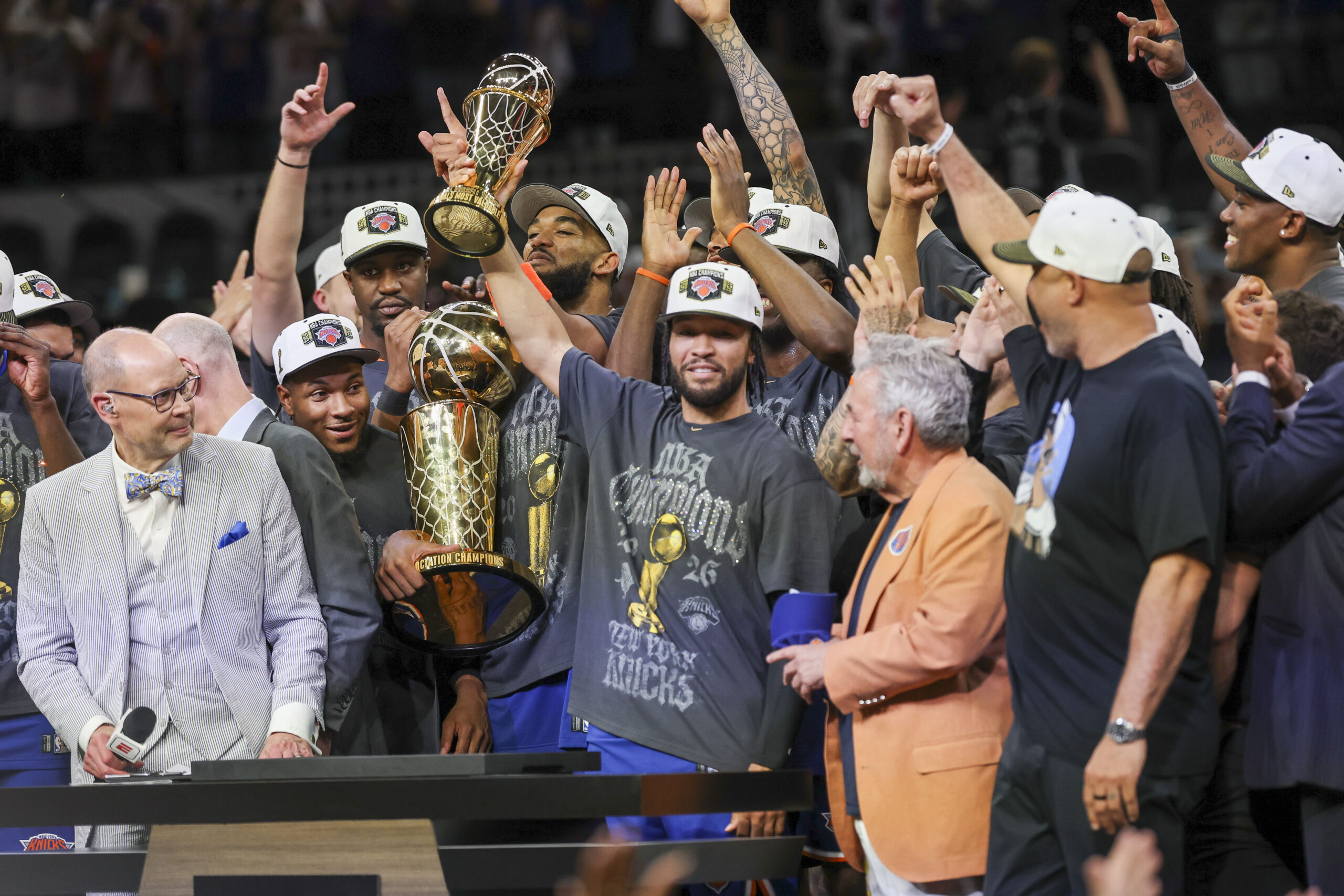
As long as Brunson controls the game with the same patience and intelligence that delivered the Knicks their first title in more than half a century, New York will begin every season believing another championship is within reach.

The Bottom Line

Jalen Brunson may never be the NBA’s fastest player.

He doesn’t need to be.

His greatest advantage has always been the six inches between his ears.

Every possession reflects preparation.

Every decision reflects discipline.

Every fourth quarter reflects a player who understands basketball at a level few ever reach.

The New York Knicks didn’t build a championship around the league’s most explosive superstar.

They built it around one of its smartest.

And in today’s NBA, that may be the rarest skill of all.

AdvertisementAdvertisement

Knicks News

Knicks Playing the Long Game? Why New York Isn’t Rushing to Fill Its Final Roster Spot

Published

on

The New York Knicks are taking a patient approach to their final roster spot, keeping financial flexibility while evaluating potential free agents and preseason opportunities.

The New York Knicks have spent the summer carefully balancing their roster while remaining mindful of the NBA’s increasingly restrictive salary cap rules. After a championship-winning season, the front office has resisted the temptation to make quick decisions, instead prioritizing flexibility over immediate additions as training camp approaches.

Although New York currently has only 13 players on guaranteed contracts for the 2026-27 season, the organization appears comfortable with its current position. Rather than rushing to sign another veteran simply to fill a roster spot, the Knicks are keeping their options open, believing patience could ultimately provide better value.

Why the Knicks Are Comfortable Waiting

The Knicks are expected to carry a 14th player before opening night, but there is little indication that decision will come anytime soon. President Leon Rose and the front office have consistently shown a willingness to let the market develop, particularly while navigating the financial limitations created by the NBA’s luxury tax aprons.

The team has also yet to sign either of its two second-round draft picks and has not filled any of its available two-way contract slots. Those decisions reinforce the organization’s deliberate approach, allowing management to evaluate every possible opportunity before committing valuable roster flexibility.

This strategy isn’t new for New York. Last season, multiple players competed throughout training camp for the final roster position before Landry Shamet ultimately earned the contract. That decision proved invaluable, as Shamet later became an important contributor during the Knicks’ championship run. The success of that approach gives the organization confidence that waiting can once again produce the right outcome.

Which Veterans Could Still Strengthen New York’s Bench

Another factor behind the Knicks’ patience is the expectation that several intriguing veterans could become available before the regular season begins. Every preseason produces unexpected roster cuts around the league, and New York wants to be in position to capitalize if a player who fits Mike Brown’s system suddenly reaches free agency.

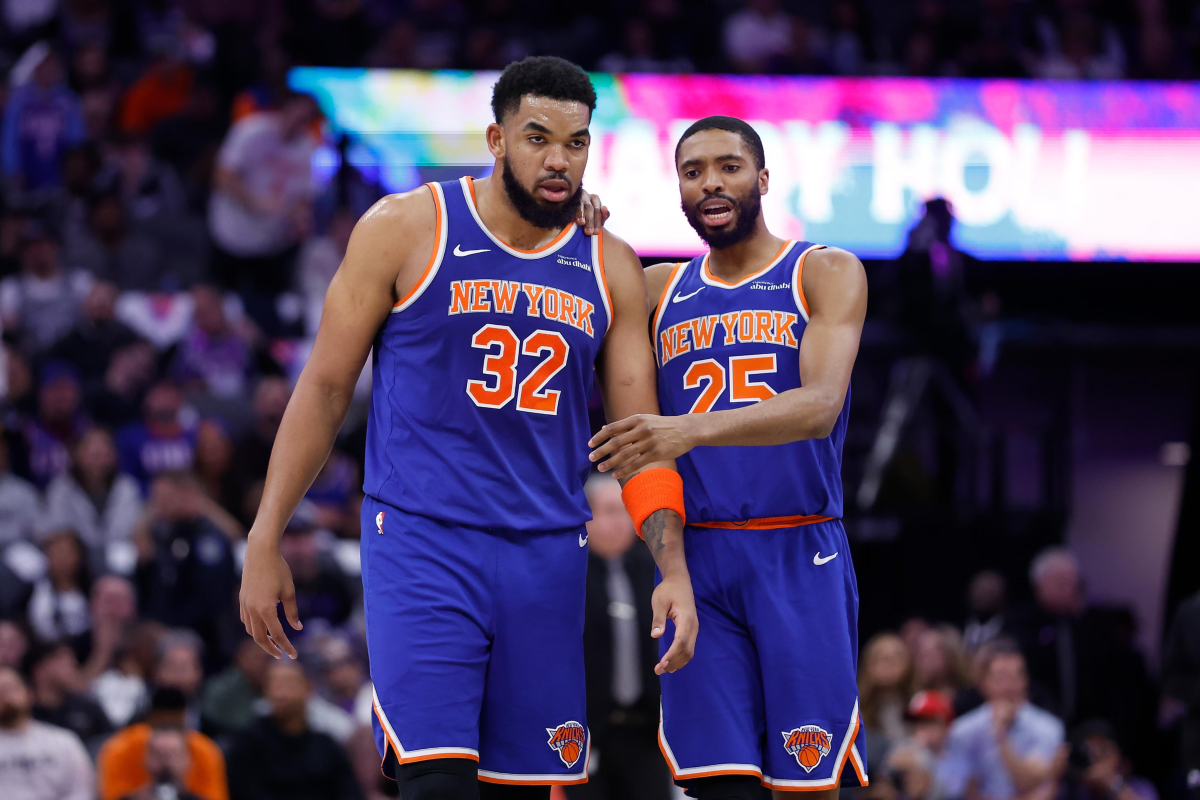
Center remains the one area where additional depth could still be useful. Behind Karl-Anthony Towns and Andre Drummond, the Knicks could eventually decide to add another experienced big man capable of providing insurance during the long regular season.

Veterans such as Kelly Olynyk, Bismack Biyombo, and Nick Richards remain among the names who could address that need, offering different skill sets ranging from floor spacing to rim protection and rebounding. However, there is no indication the franchise feels pressured to act immediately.

For a team fresh off an NBA championship, every roster decision is being viewed through the lens of long-term success rather than short-term urgency. By preserving flexibility, evaluating preseason competitions, and monitoring potential league-wide cuts, the Knicks believe the best addition may simply require patience.

Instead of making a move for the sake of making one, New York is once again betting that timing—not speed—will strengthen its chances of defending the NBA title.

Continue Reading

Knicks News

Madison Square Garden Is Basketball’s Greatest Stage Again — And the Knicks Have Brought It Back to Life

Published

on

Madison Square Garden is once again the center of the basketball world. Here’s how the New York Knicks’ championship has restored the NBA’s most iconic arena to its rightful place.

There has never been an arena quite like Madison Square Garden.

The banners, the celebrities sitting courtside, the electricity that fills the building before tip-off and the unmistakable atmosphere have long made it one of the most recognizable venues in sports. Even players with no connection to New York often describe playing at the Garden as a different experience, one that carries a level of prestige few arenas can match.

Yet for much of the past two decades, the building’s reputation often overshadowed the team that called it home.

The Garden remained iconic.

The Knicks did not.

That has changed.

With the franchise’s first NBA championship in more than 50 years, Madison Square Garden has reclaimed something it had been missing for generations: meaningful basketball in June. Once again, the sport’s biggest moments belong in Manhattan, and the arena feels less like a monument to history and more like the center of the NBA’s present.

A Championship Has Changed the Energy of the Garden

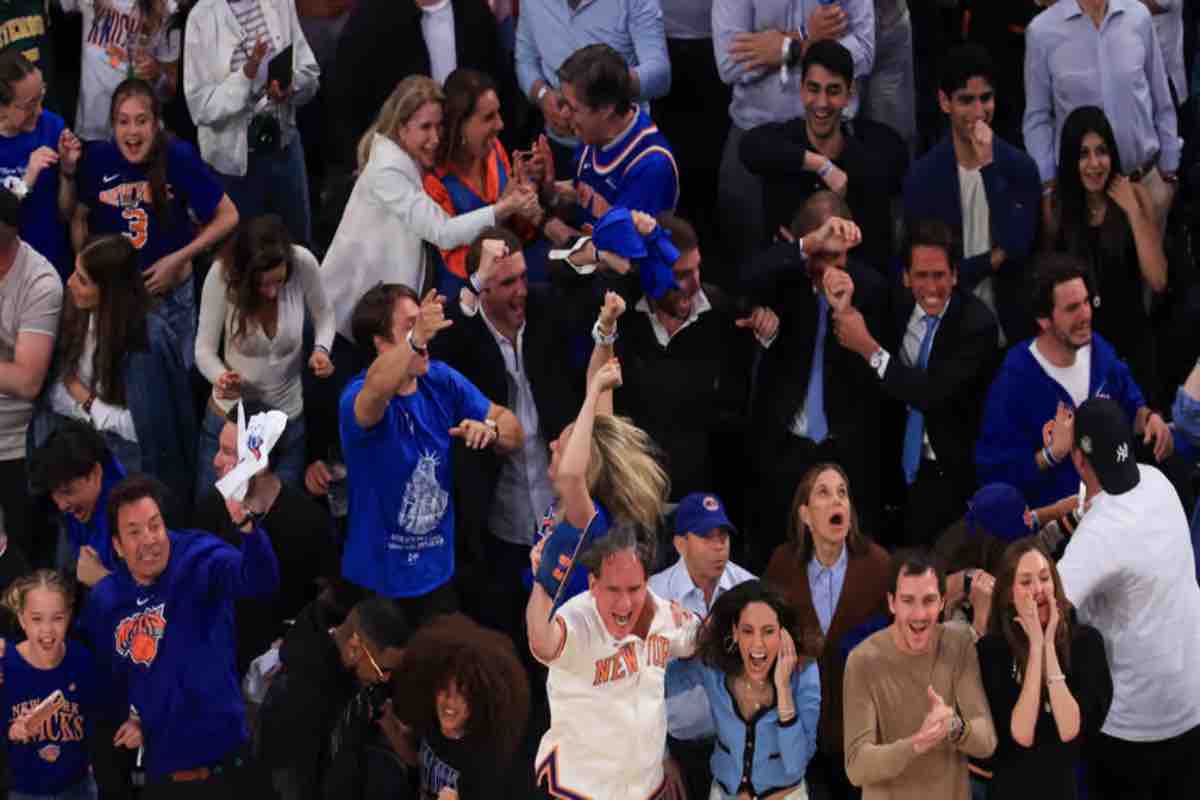
Every arena becomes louder during the playoffs, but few create the kind of atmosphere seen at Madison Square Garden throughout the Knicks’ championship run.

Every defensive stop felt amplified. Every Jalen Brunson basket shook the building. Every Josh Hart hustle play generated the kind of reaction usually reserved for game-winning shots.

What makes the Garden unique isn’t simply its volume.

It’s the expectation.

Fans don’t attend games hoping to witness history. They arrive believing history might happen that night.

That belief has returned because the Knicks have finally given their supporters a team worthy of the stage.

Players Across the NBA Want to Shine in New York

For years, opposing stars spoke about Madison Square Garden with admiration, often calling it their favorite road arena.

Now, the stakes are even higher.

Beating the defending champions inside the league’s most famous building has become one of the toughest challenges in basketball. Every nationally televised game feels like an event, and every visit to New York offers opponents an opportunity to measure themselves against the NBA’s new benchmark.

That’s exactly what great teams create.

The Garden no longer hosts great performances only from visiting stars.

It has become the stage where the Knicks define their own legacy.

More Than a Home Court Advantage

Championship teams often speak about the value of home-court advantage, but Madison Square Garden offers something that statistics struggle to explain.

Pressure.

Emotion.

Expectation.

Opponents don’t simply play against five players wearing Knicks uniforms. They play against more than 19,000 fans who understand the game’s rhythm, celebrate every defensive possession and demand excellence from both teams.

For New York’s players, that energy has become fuel.

For visiting teams, it can quickly become overwhelming.

A Global Symbol of Basketball

The Garden has always represented more than New York.

It is one of the few sports venues recognized across the world, attracting tourists, celebrities and basketball fans regardless of which teams are playing. For international visitors, attending a game at Madison Square Garden is often viewed as a bucket-list experience.

The Knicks’ return to championship contention has only strengthened that global appeal.

Highlights from the Garden now dominate social media. National broadcasts routinely feature the atmosphere before tip-off, and international audiences once again associate New York with elite basketball rather than nostalgia.

The arena hasn’t changed.

The team has.

The Perfect Match Between Team and City

New York demands resilience.

It rewards confidence but quickly exposes complacency.

Those qualities now define the Knicks.

Jalen Brunson’s calm leadership, Josh Hart’s relentless effort, OG Anunoby’s defensive intensity and Karl-Anthony Towns’ offensive brilliance reflect the personality of a city that values hard work as much as talent.

That connection has rebuilt the relationship between the franchise and its fans.

For years, Madison Square Garden was celebrated because of what had happened there decades earlier.

Today, it is celebrated because of what is happening now.

The Bottom Line

Every NBA franchise dreams of creating a home-court advantage that intimidates opponents and inspires its own players.

Few can match what the Knicks have rediscovered.

Madison Square Garden is once again where championships are pursued, rivalries are intensified and unforgettable moments are created.

The building never lost its reputation as basketball’s most famous arena.

What it needed was a team capable of matching its history.

The New York Knicks have finally done exactly that.

For the first time in generations, the world’s most iconic basketball arena is once again home to the NBA’s biggest stage—and it feels like the beginning of another unforgettable era.

Continue Reading

Knicks News

Are the Knicks Building the NBA’s Next Dynasty? Why New York’s Championship Window May Be Just Opening

Published

on

The New York Knicks won the 2026 NBA title, but could this be only the beginning? Here’s why New York may be built to compete for multiple championships.

Dynasties aren’t declared after one championship.

They’re built through consistency, sustained excellence and the ability to evolve while everyone else is trying to catch up.

The New York Knicks have won one title. That alone doesn’t make them the NBA’s next dynasty.

But for the first time in decades, there is a legitimate reason to ask the question.

Not because of what the Knicks accomplished last season, but because of what still lies ahead.

A Championship Core Still in Its Prime

Many title-winning teams reach the top just as their championship window begins to close. Age, salary cap restrictions or free agency force difficult decisions that gradually weaken the roster.

New York finds itself in a very different position.

The players who defined the championship run remain together. Jalen Brunson continues to play at an MVP level, Karl-Anthony Towns is one of the league’s most versatile offensive big men, while Mikal BridgesOG Anunoby and Josh Hart provide arguably the NBA’s best combination of perimeter defense, versatility and toughness.

Even more importantly, they already know how to win together.

That continuity is becoming increasingly rare in today’s NBA.

The Culture May Be the Biggest Advantage

Championship talent wins games.

Championship culture sustains success.

Over the past few seasons, the Knicks have quietly built an identity that extends beyond statistics or individual accolades. They defend every possession, share the basketball, accept clearly defined roles and rarely allow outside distractions to influence what happens inside the locker room.

Those habits are difficult to quantify, but they often separate teams that win one championship from those that remain contenders year after year.

Mike Brown deserves significant credit for preserving that culture while adding his own tactical ideas after taking over as head coach.

Rather than reinventing the Knicks, he refined them.

Why Continuity Matters More Than Ever

Every offseason brings dramatic roster changes across the league.

Contenders chase the next superstar. Role players leave for larger contracts. Coaches install new systems. Teams spend months trying to develop chemistry before the playoffs begin.

The Knicks don’t face those challenges.

Their stars already trust one another. The coaching staff understands the roster’s strengths and limitations. Every player knows exactly what is expected.

That familiarity creates a competitive advantage that often becomes even more valuable during long playoff series, when execution matters more than raw talent.

The Front Office Has Avoided Short-Term Thinking

One of the reasons New York appears positioned for long-term success is the patience shown by the front office.

Rather than sacrificing flexibility for splashy headlines, the organization has consistently prioritized sustainable team building.

The result is a roster capable of competing today without completely sacrificing tomorrow.

That balance is essential.

Many champions disappear almost as quickly as they arrive because they mortgage their future in pursuit of one title. The Knicks have largely resisted that temptation.

The Biggest Threat Isn’t Another Team

Philadelphia, Cleveland, Boston and Milwaukee all have enough talent to challenge New York.

But history suggests the greatest obstacle to repeating often comes from within.

Complacency.

Every defending champion enters the following season believing it can climb the mountain again. The difference lies in whether the hunger remains once the celebration ends.

Everything the Knicks have shown over the past year suggests this group understands that one championship doesn’t define a legacy.

Multiple championships do.

Dynasties Are Built in June, Not in October

It’s tempting to predict another title before the season even begins.

The reality is far more complicated.

Health, playoff matchups, roster development and a little luck will all shape New York’s chances. Every championship team benefits from those variables.

What the Knicks can control is preparation.

They have the superstar to lead them, the supporting cast to complement him and the organizational stability that so many contenders spend years trying to create.

That combination gives them a realistic opportunity to compete for championships every season.

The Bottom Line

The word “dynasty” is often used too quickly in modern sports.

One championship earns respect.

Repeated championships earn history.

The Knicks haven’t reached that level yet.

But they have something every franchise covets: a championship foundation that appears sustainable rather than temporary.

If Jalen Brunson continues to perform like one of the NBA’s elite players, if Karl-Anthony Towns remains the perfect offensive partner and if the rest of the core stays together, New York won’t simply enter each season hoping to contend.

The Knicks will enter expecting to compete for another championship.

And if they lift the Larry O’Brien Trophy again, the conversation will no longer be about whether this team can become a dynasty.

It will be about how long that dynasty can last.

Continue Reading

Tendenza

Copyright © 2017 Zox News Theme. Theme by MVP Themes, powered by WordPress.